 Scenic Drive
Going-to-the-Sun Road
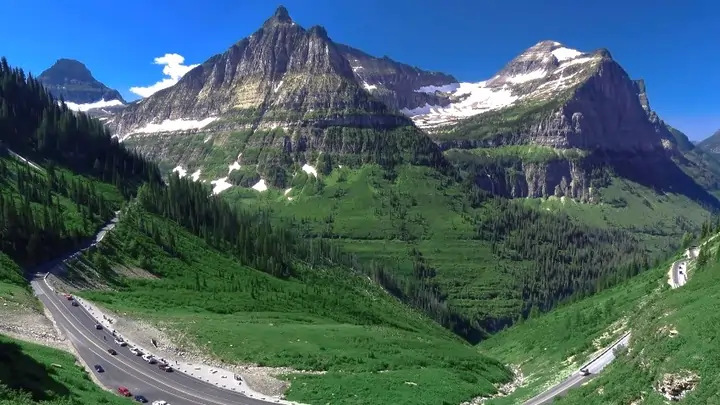
50 miles of breathtaking scenery crossing the Continental Divide through Glacier National Park.

Your guide to adventures, local gems and unforgettable views
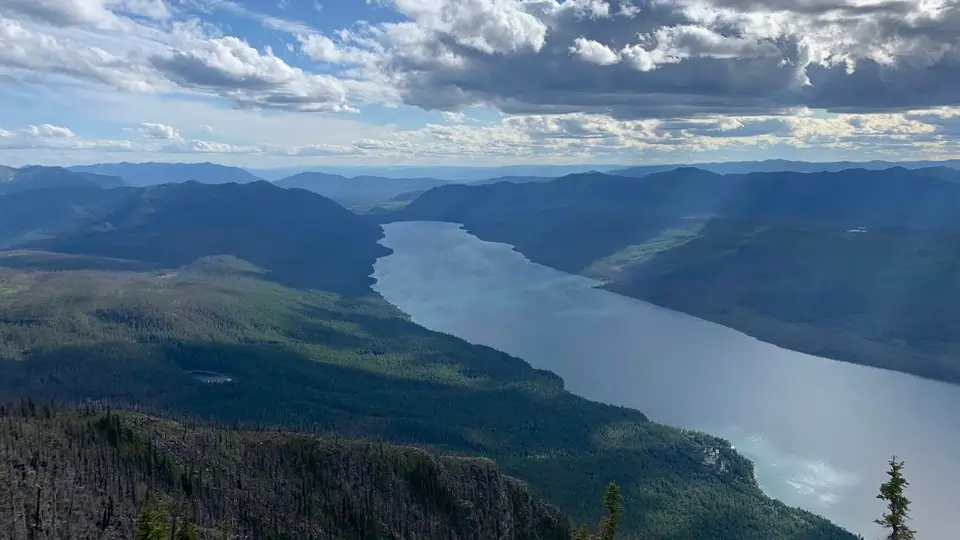
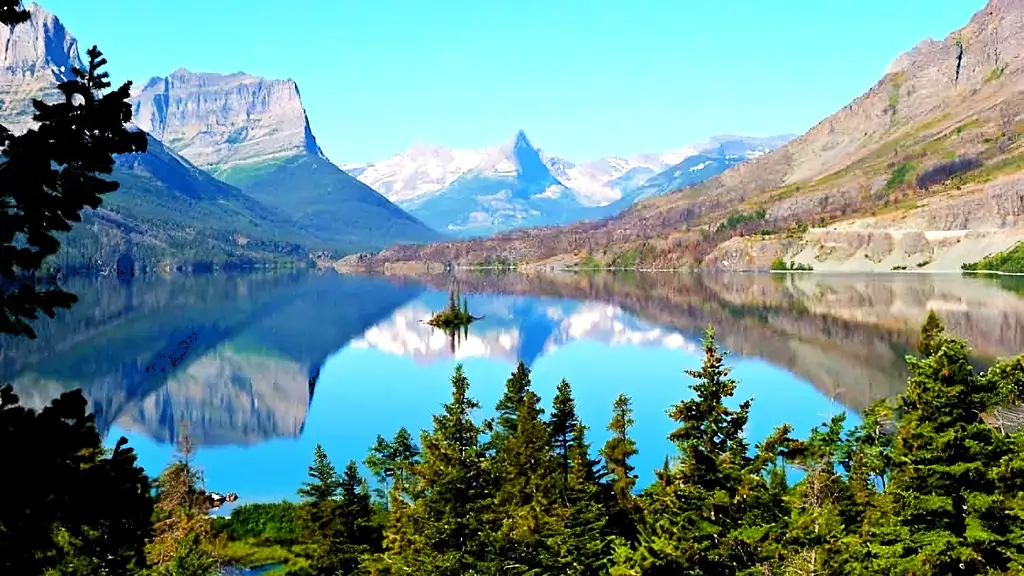
Lake McDonald is the largest lake in Glacier National Park — 10 miles long, a mile wide and 472 feet deep. Sitting at 3,153 feet elevation on the park's west side, its crystalline glacial waters reflect the surrounding peaks in shades of turquoise and emerald that photographers travel thousands of miles to capture.
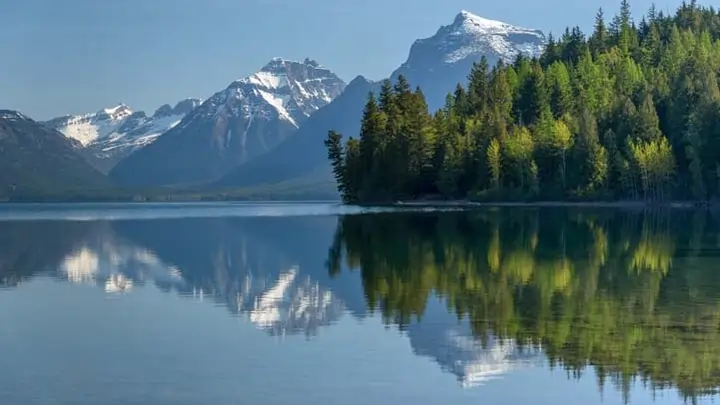
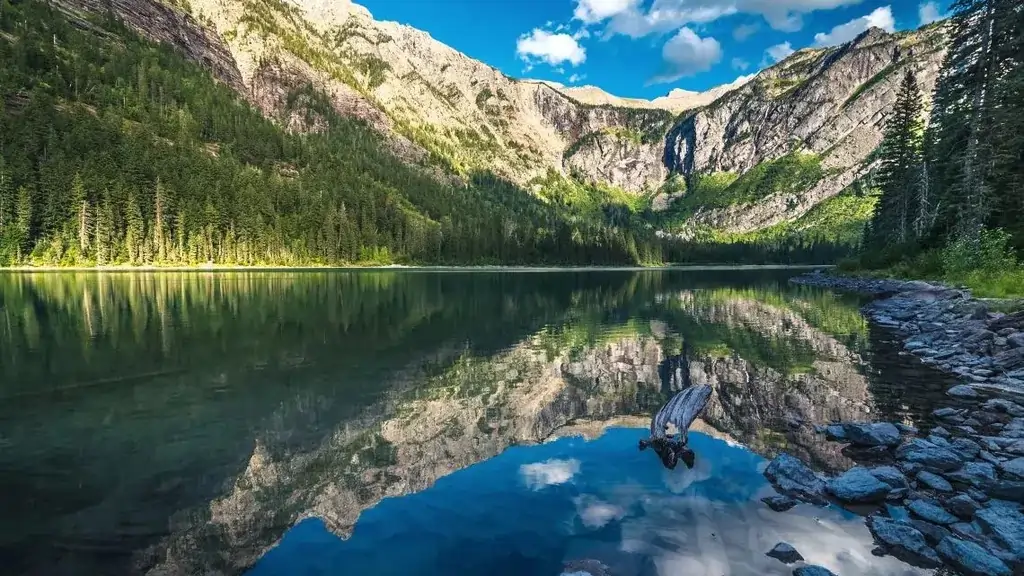
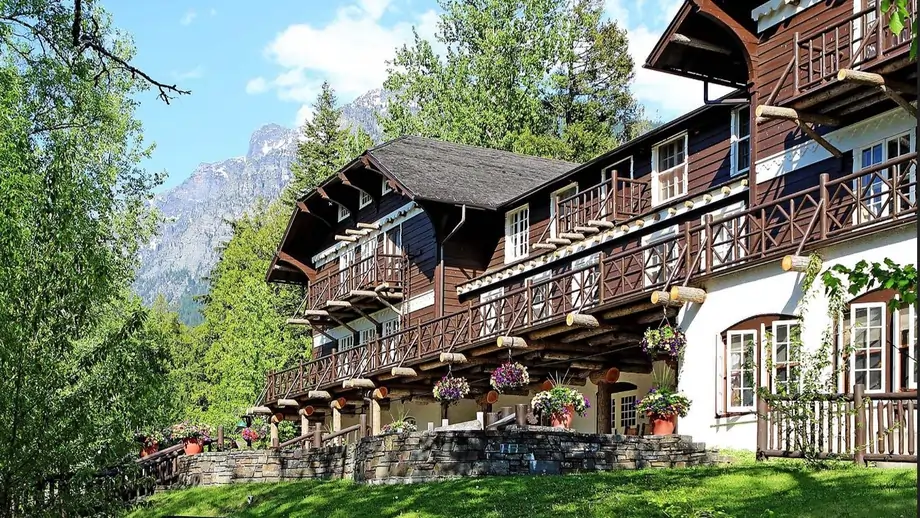
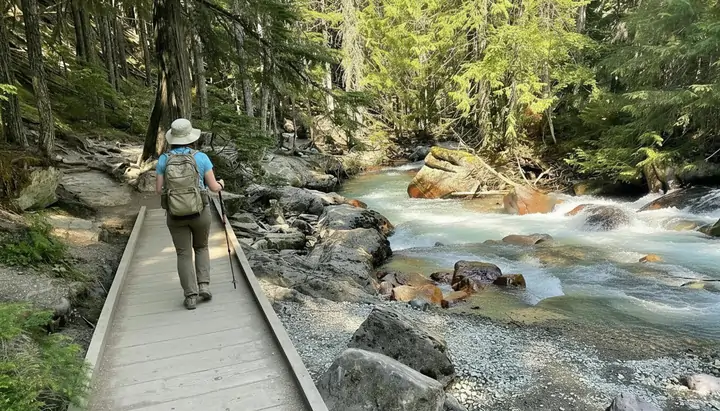
From its shores, the Going-to-the-Sun Road begins its legendary 50-mile traverse to Logan Pass. Boat tours depart from the historic Lake McDonald Lodge, kayakers paddle its glassy surface at dawn, and some of Glacier's most beloved trails — including Avalanche Lake and Trail of the Cedars — start just minutes away.
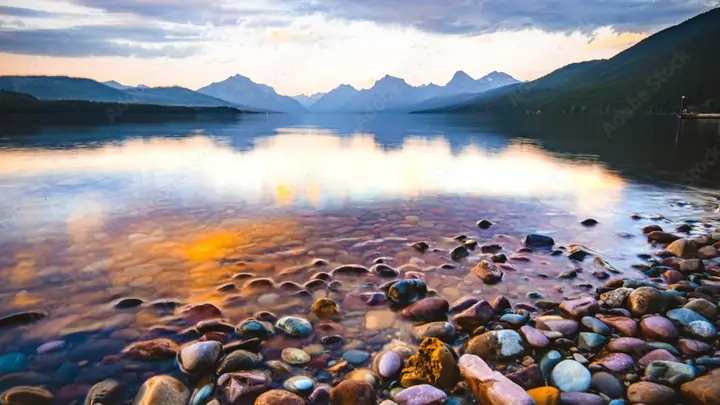
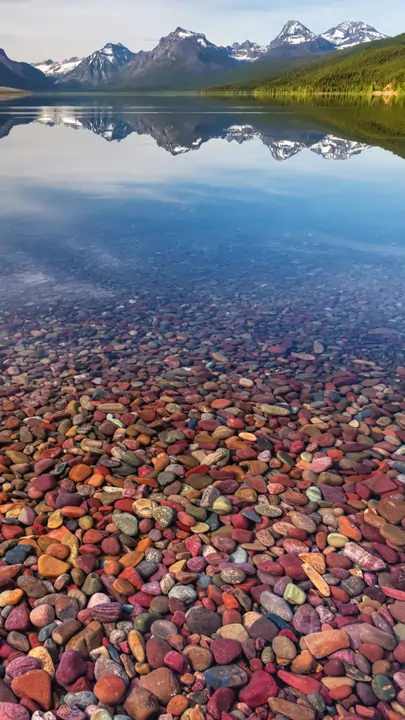
The lake's most distinctive feature is its colored rock beaches — smooth, jewel-bright pebbles of red, green, purple and cream. These are Precambrian argillite and siltite, more than 1.5 billion years old, polished by centuries of glacial action and now visible through up to 10 feet of crystal-clear water.
Lake McDonald Facts
At 472 feet (144 meters), Lake McDonald is the deepest lake in Glacier National Park and one of the deepest in Montana — carved by a glacier over 12,000 years ago. See the full depth, elevation and glacial origins guide →
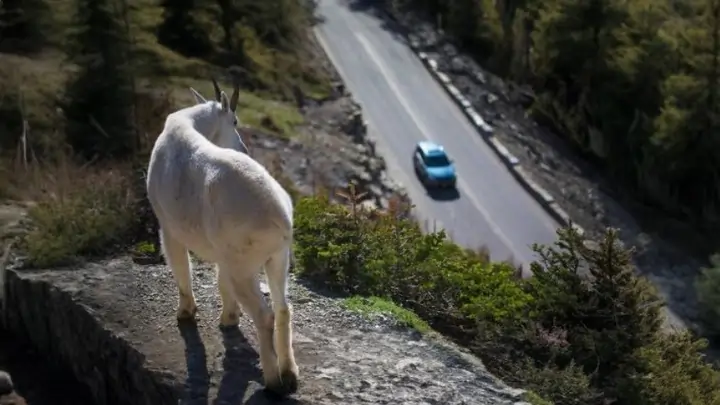
The forested shoreline shelters a remarkable ecosystem. Black bears and grizzlies forage in the undergrowth, mountain goats patrol the rocky slopes above, moose wade the shallower inlets and bald eagles hunt the surface year-round. Wildlife sightings are most common at dawn and dusk along the GTSR corridor and from the lodge docks. The lake holds westslope cutthroat trout and lake trout, with designated fishing zones throughout the season.
Scenic Drive
50 miles of breathtaking scenery crossing the Continental Divide through Glacier National Park.
Hiking Trail
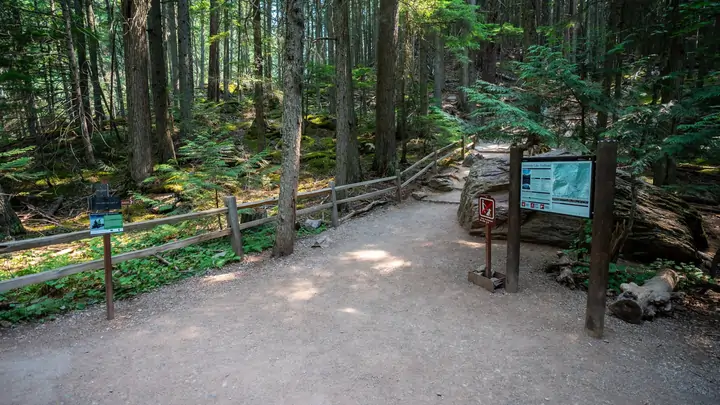
Old-growth cedar forests, turquoise waters and hanging waterfalls. One of Glacier's finest half-day hikes.
 National Park
Complete essential guide to America's Crown Jewel — itineraries, entry tips and best stops from the Lake McDonald side.
Lodge
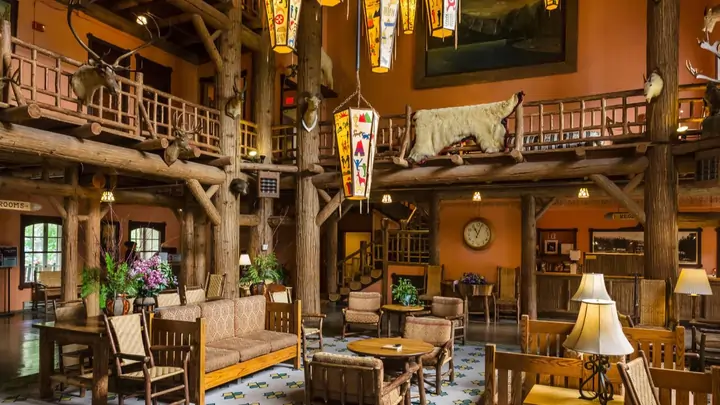
Historic 1913 Swiss-chalet lodge. Rooms, cabins, dining, boat cruises and everything you need to book your stay.
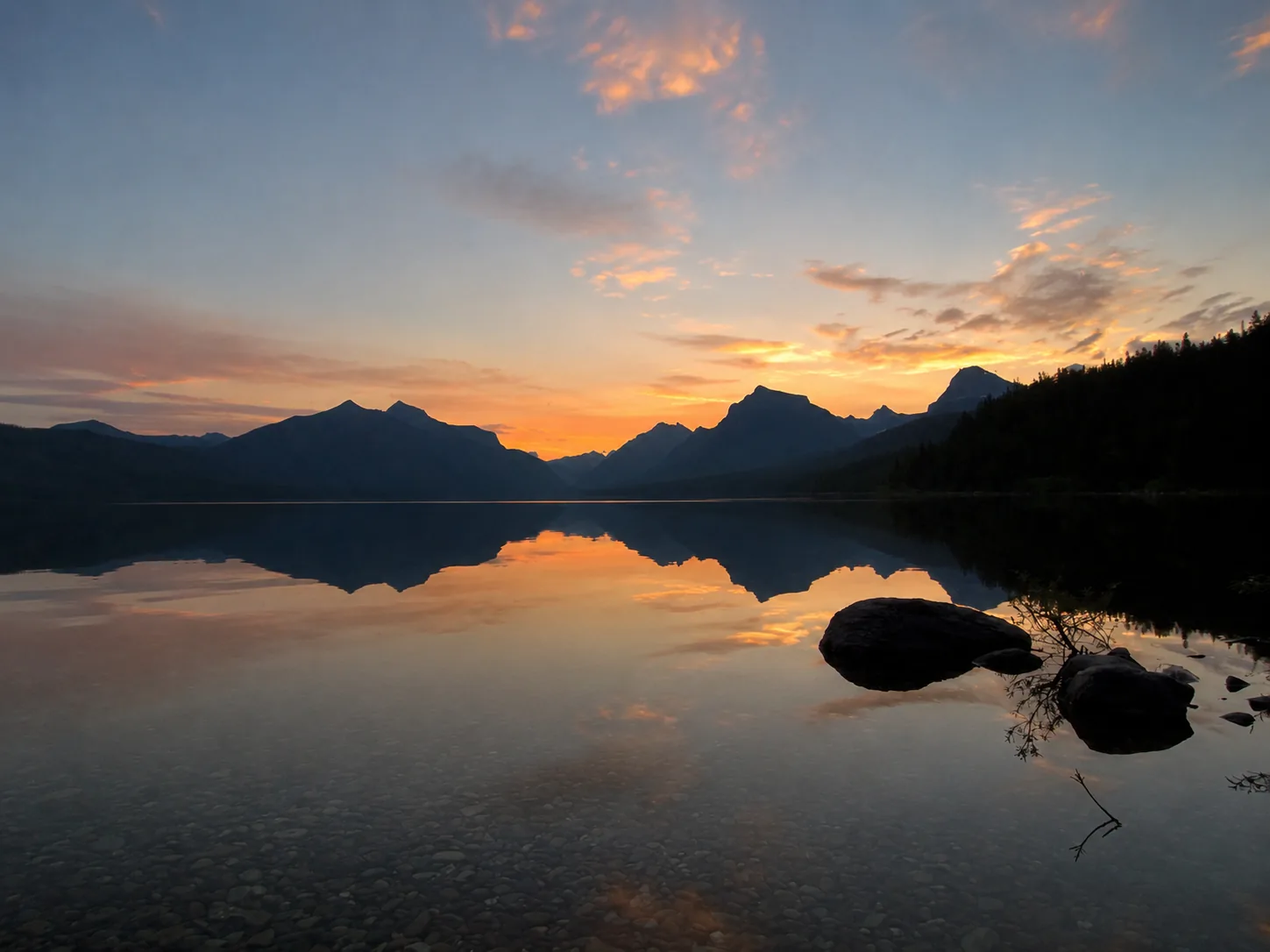 Sunset
Apgar Beach, the Lodge dock and quiet pullouts — where to catch alpenglow over the Continental Divide, plus a full photo gallery.
Lake McDonald is on the west side of Glacier National Park, 10 miles inside the West Glacier entrance via Going-to-the-Sun Road.
From Nearby Cities
Getting There
Take US-2 to West Glacier, then follow Going-to-the-Sun Road 10 miles inside the park. From Kalispell (~45 min); from Whitefish (~35 min).
Glacier Park Intl (FCA) in Kalispell — just 35 miles. Served by Delta, United and Alaska Airlines. Car rental available on-site.
Amtrak Empire Builder stops seasonally at West Glacier station, right at the park entrance. Direct from Seattle (~9 hr) or Chicago (~24 hr).
Free NPS shuttles run July through mid-September. Airport transfers from FCA available via Groome Transportation.
Peak season tip: Going-to-the-Sun Road requires a timed-entry permit (7 am–3 pm) from late June through Labor Day. Book ahead at recreation.gov. Vehicles over 21 ft are not permitted past Avalanche Creek.
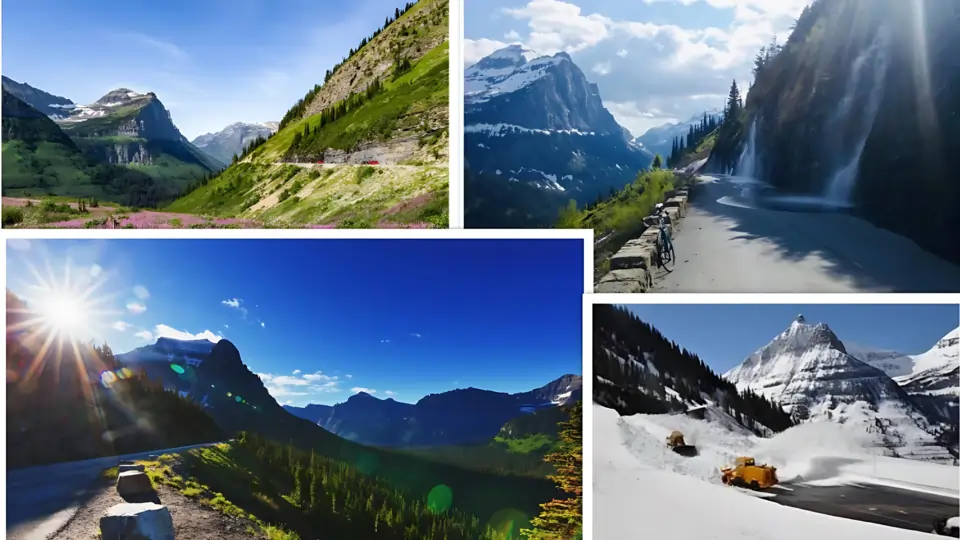 Planning
Best Time to Visit Lake McDonald
From wildflower season in June to golden fall reflections — when to go based on crowds, weather and activities.
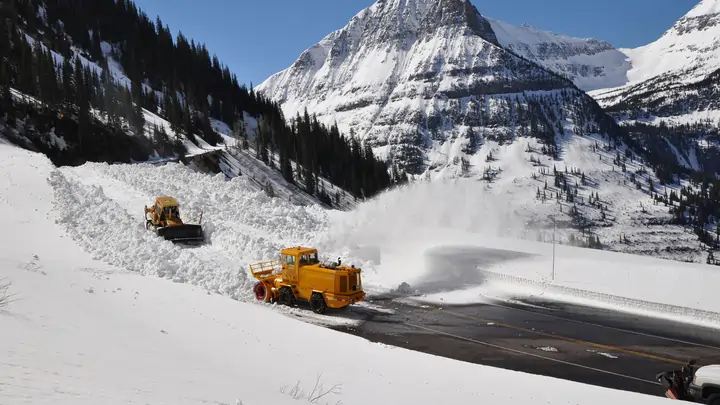 Winter
Lake McDonald in Winter
Frozen shores, snow-draped peaks and near-total solitude. What to expect visiting Lake McDonald in the off-season.
Hiking Trail
Trail of the Cedars
An easy 0.9-mile loop through towering old-growth cedar and hemlock. One of the most accessible trails near Lake McDonald.
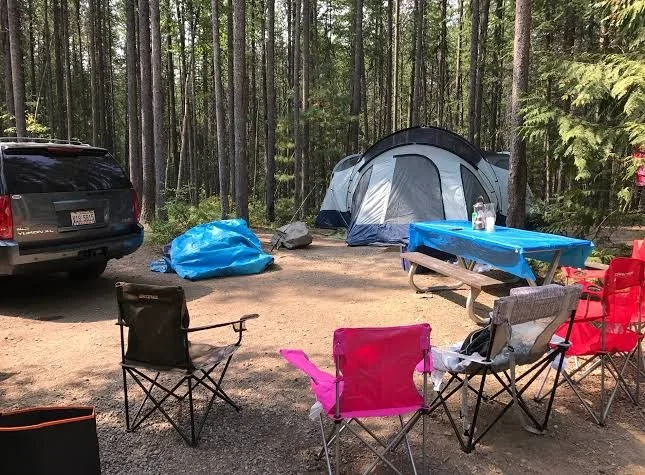 Camping
Camping near Lake McDonald
Apgar, Fish Creek and more — campsite options, reservations, fees and what to know before you pitch a tent.
Geology
The Colored Rocks of Lake McDonald
The vivid pebbles on Lake McDonald's beaches are the result of 1.5 billion years of geological history. Glacial action carried Precambrian argillite and siltite from the surrounding mountains, polishing them into smooth gems of red, green, purple and cream. The lake's exceptional clarity — minimal nutrients, glacial filtration — lets you see them through up to 10 feet of crystal-clear water.
The best spots to appreciate them are the Apgar shoreline and the beaches below Lake McDonald Lodge, especially in calm morning light when there's no surface glare.
The science behind the colorsSummer · Jul–Aug — Peak Season tips & recommendations
Spring · May–Jun — Tips & recommendations
Fall · Sep–Oct — Tips & recommendations
Winter · Nov–Mar — Tips & recommendations
Lake McDonald is located in northwestern Montana, inside Glacier National Park. Some visitors confuse it with a smaller lake of the same name in Nevada's Ruby Mountains, but the famous destination known for its historic lodge and colorful rocks is the Montana lake in Flathead County. You'll also often see it spelled "Lake Macdonald" online — that's simply a common misspelling; the official name is McDonald, with a capital D.
Lake McDonald reaches a maximum depth of 472 feet (144 meters), making it the deepest lake in Glacier National Park. That depth is the result of glacial erosion — the same ice sheet that carved the valley also scoured the bedrock far below what is now the lake surface. Full depth, elevation and glacial origins guide →
Lake McDonald is known for three things: its extraordinary water clarity (visibility up to 80 feet), the famous Rainbow Rocks — colorful argillite pebbles in red, green and purple visible through the crystal-clear lake bottom — and the historic Lake McDonald Lodge, built in 1913. It is the largest and deepest lake in Glacier National Park.
Lake McDonald is often called the "Rainbow Lake" because of the thousands of colorful argillite pebbles visible through its crystal-clear water. The red, green, purple and orange stones create a rainbow-like appearance along the shoreline and lake bottom that is unlike any other lake in Glacier National Park.
No. For the 2026 season, the National Park Service has removed the vehicle reservation requirement for all areas of Glacier National Park, including the Lake McDonald valley and Going-to-the-Sun Road. Visitors only need to pay the standard park entrance fee.
Starting July 1 through September 7, 2026, parking at Logan Pass is limited to a maximum of 3 hours per vehicle. The goal is to improve visitor turnover and reduce congestion. If you plan to hike longer trails like the Highline Trail, using the park shuttle system is strongly recommended.
Unlike previous years, the 2026 shuttle system requires a mandatory reservation ticket that costs $1.00 as a processing fee through Recreation.gov. Half of the tickets are released 60 days in advance, while the remaining tickets become available the day before at 7:00 PM MDT.
The famous "rainbow rocks" are sedimentary stones called argillite. Their colors were formed more than a billion years ago depending on iron content and oxygen exposure. Red rocks oxidized in shallow water, while green and blue rocks formed in deeper, low-oxygen environments. Full geology guide →
No. Collecting or removing rocks, plants, or any natural features from national parks is strictly prohibited. The Leave No Trace policy helps preserve the lake's beauty for future visitors, so the best souvenir is your photos.
Pets are only allowed in developed areas such as paved roads, parking lots, and campgrounds. Dogs are not permitted on hiking trails, undeveloped lake shores, or inside park buildings. Pets must remain on a leash no longer than 6 feet (1.8 meters) at all times.
There are no gas stations inside Glacier National Park, so visitors should fill up in West Glacier or Columbia Falls before entering. For food, the Lake McDonald Lodge area offers dining such as Russell's Fireside Dining Room and Jammer Joe's Pizzeria, plus basic supplies at Apgar Village.
Yes, swimming is allowed, and Apgar Village is one of the most popular access points thanks to its easy shoreline access. However, the water is extremely cold — it comes from glacial runoff and rarely exceeds 50°F (10°C), which can quickly lead to hypothermia. Best spots & safety guide →
Most facilities and services operate from late May through late September. July and August are the warmest and busiest months, while September is ideal for visitors looking to avoid crowds and enjoy fall colors, although some services begin closing by mid-September. Month-by-month guide →