
Glacier National Park sits firmly in the top tier of America's national parks — and once you arrive at Lake McDonald's shoreline before sunrise and watch the peaks reflect in the mirror-calm water, you'll understand exactly why. This is the essential guide to experiencing Glacier from its most accessible and spectacular side.
Plan carefully. A little homework on access windows pays off immediately, turning what could be a frustrating crowded experience into something genuinely life-changing. Here's everything you need to know.
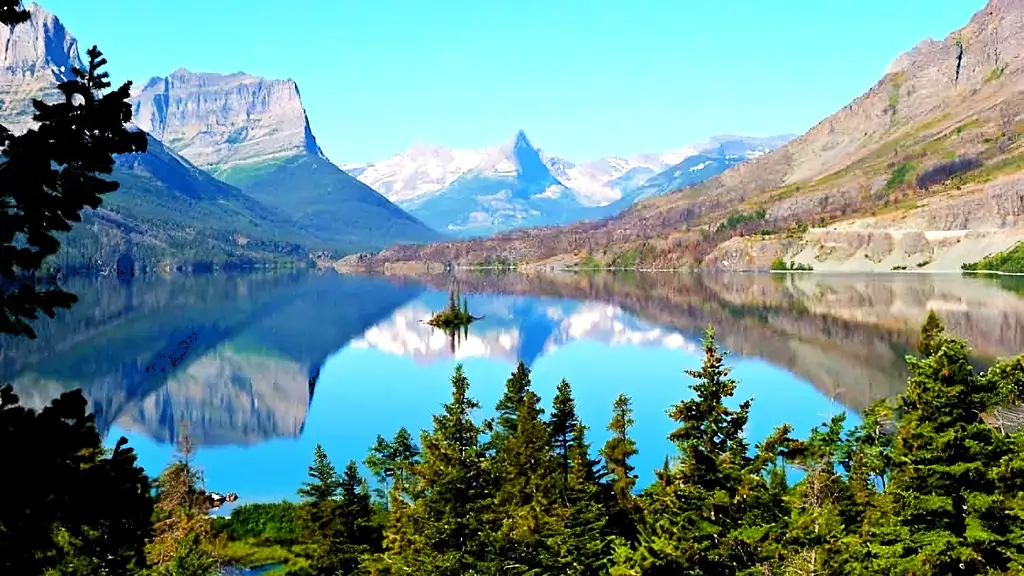
Why Glacier National Park Is Special
What separates Glacier from every other park is the totality of the experience: turquoise glacial lakes, sheer mountain walls, dense old-growth cedar forest, and alpine meadows — all within a single drive. It's a park that consistently ranks among the top two or three in the National Park System for first-timers and returning visitors alike.
The park spans over a million acres straddling the Continental Divide. Turquoise water, sheer peaks and wildlife around every bend give nearly every area a striking, almost otherworldly quality. The west side, centered on Lake McDonald, is the most accessible entry point and the one that leaves the deepest impression on most visitors.
Park at a glance
- Over 700 miles of maintained hiking trails
- More than 130 named lakes and 1,000 plant species
- Home to grizzly bears, mountain goats, moose and wolverines
- Going-to-the-Sun Road — a 50-mile National Historic Landmark
- Bordering Waterton Lakes National Park, Canada — a UNESCO World Heritage Site
Lake McDonald First-Timers: Best Views, Access & Parking
Lake McDonald is the park's largest lake — 10 miles long, 472 feet deep, and rimmed by mountains on three sides. Arrive before sunrise on a calm morning and the lake turns into a near-perfect mirror, with the rock beaches entirely empty. By 9 AM the crowds arrive; by midday it's packed.
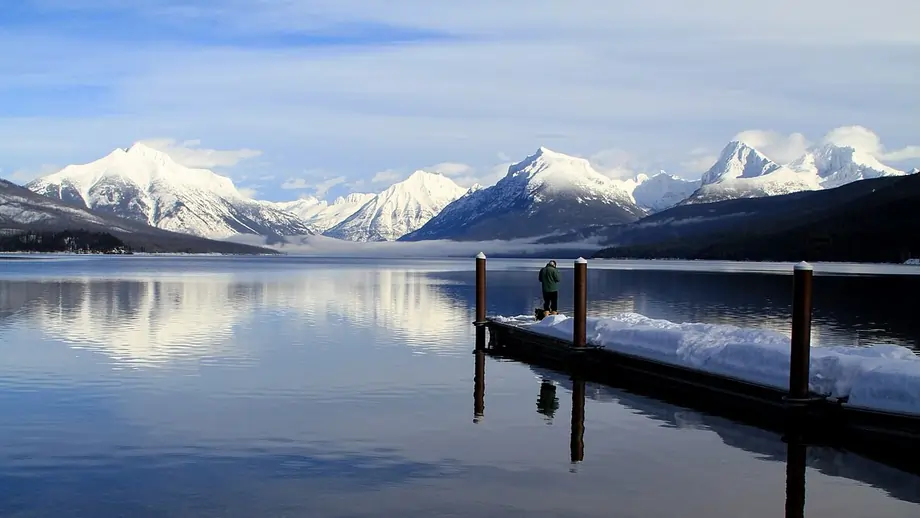
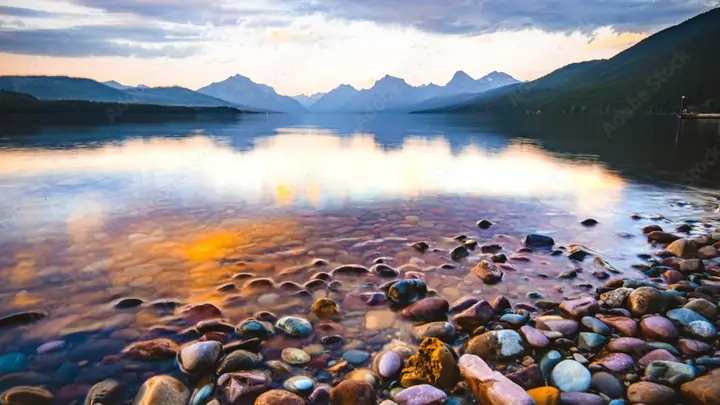
Photo spots cheat sheet (by light & conditions)
- Pre-dawn to Sunrise: Apgar rock beaches, Lake McDonald Lodge shoreline — calm air yields mirror reflections; arrive early and shoot first light on peaks
- Golden Hour (PM): Northeast shore pullouts, Apgar dock — warm side-light on ridgelines; linger after sunset for alpenglow
- Midday (clear): Trail of the Cedars / Avalanche (forest shade) — use shade and textures; avoid harsh lake glare
- Windy days: Sheltered coves near Apgar & lodge — hunt wind shadows for cleaner reflections; switch to tighter compositions
Parking Plan B: If the Lake McDonald Lodge lot is saturated, use Apgar parking and enjoy the shoreline on foot. For Logan Pass, park lower (Big Bend or The Loop) and ride the shuttle up — never circle the pass lot endlessly.
Driving the Going-to-the-Sun Road: Stops, Parking & Logan Pass Basics
The Going-to-the-Sun Road is the backbone of any Glacier visit. This 50-mile traverse crosses the Continental Divide at Logan Pass (6,646 ft) and connects the west-side Lake McDonald valley with the east-side St. Mary Lake. Some segments feel narrow for two cars to pass, and parking can be scarce — plan accordingly.
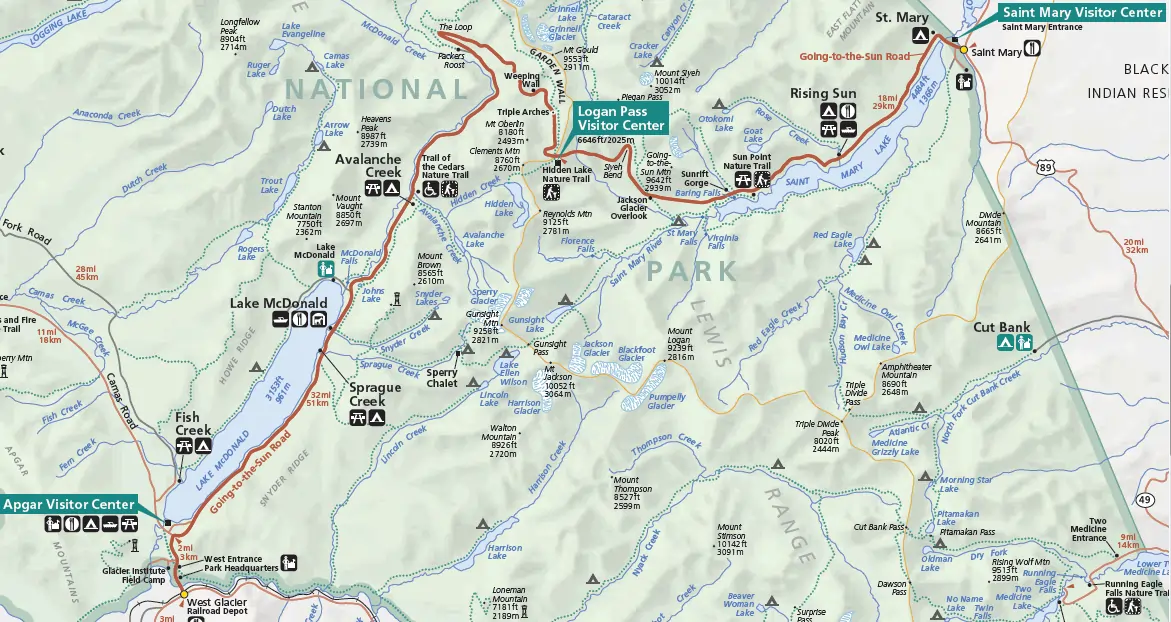
For mountain vistas, the Heaven's Peak Viewpoint pullout is one of the best quick stops — a wide alcove on the west-side climb that frames the peak perfectly with the valley below.
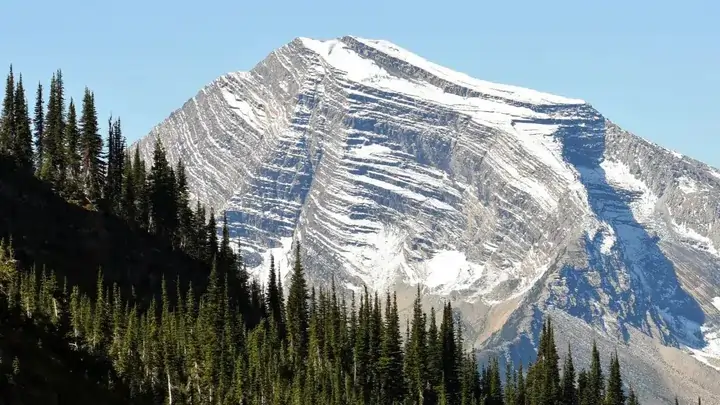
Key stops on the Going-to-the-Sun Road
- Apgar Village: Visitor center, boat rentals, gift shop — great first stop
- Lake McDonald Lodge: Historic 1913 lodge; boat cruises depart from the dock
- Trail of the Cedars: Boardwalk loop through old-growth cedar — accessible and family-friendly
- The Loop: Hairpin switchback with long-range views — popular shuttle stop
- Weeping Wall: Seasonal cascades dripping directly onto the road
- Logan Pass: Highest point (6,646 ft); visitor center, Hidden Lake Overlook trailhead
- Jackson Glacier Overlook: Direct view of one of the park's most accessible glaciers
- Wild Goose Island (St. Mary Lake): The park's most photographed view
Many Glacier vs. Two Medicine: Which Side Fits Your Trip?
If your base is Lake McDonald (west side), Many Glacier adds a full day on the east side and rewards you with some of the park's most dramatic concentrated scenery — Swiftcurrent Lake, Grinnell Glacier trail, and some of the best wildlife corridors in North America.
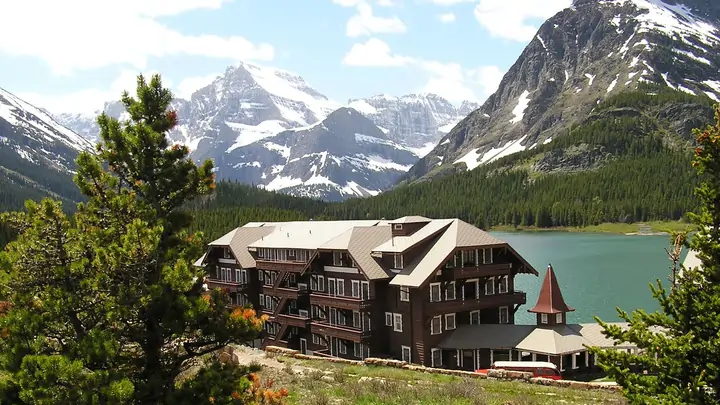
Quick comparison
- Many Glacier: Best for serious hikers, wildlife watching, boat tours on Swiftcurrent — drive ~2 hrs from West Glacier
- Two Medicine: Quieter, fewer crowds, excellent day hikes, beautiful lake — great for those seeking solitude
- West Side (Lake McDonald): Most accessible, best infrastructure, GTSR access, Trail of the Cedars — ideal for first-timers
Timed Entry & Fees: Plan Smart, Stress Less
Since 2021, portions of Going-to-the-Sun Road require advance vehicle reservations during peak season. The system controls crowds and preserves the experience — but it rewards those who plan ahead.
Entry essentials
- Timed entry: Required for the West Entrance corridor during peak season (typically 7 AM–3 PM)
- Reservations: Available on Recreation.gov — open in rolling monthly windows at 8 AM MT
- Vehicle reservation cost: $2 per vehicle (in addition to park entrance fee)
- Park entrance fee: $35/vehicle (7-day pass); America the Beautiful annual pass accepted
- Book early: Popular summer dates sell out within minutes of opening
Pro tip: Guests staying at in-park lodges (Lake McDonald Lodge, Many Glacier Hotel, etc.) have 24/7 access past reservation checkpoints — a significant advantage that justifies the lodging cost alone. Full reservations guide →
Where to Stay: In-Park Lodges vs. Nearby Towns
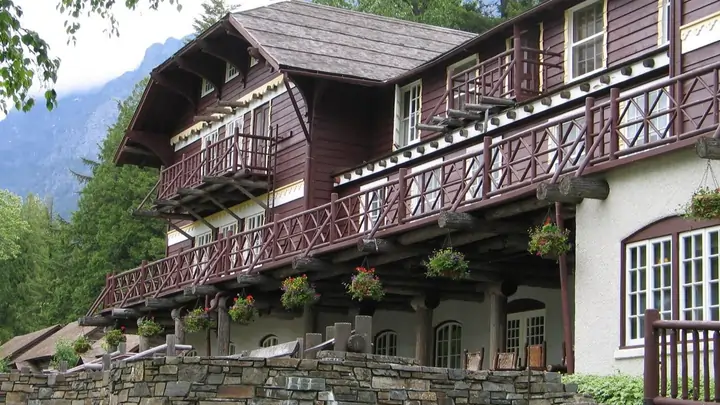
Lodging options
- Lake McDonald Lodge: Historic 1913 lodge on the lake — 24/7 park access; book 6+ months ahead
- Village Inn at Apgar: More modern, lower cost; ideal location near the lake and visitor center
- West Glacier: Small gateway town with motels, restaurants and easy park access
- St. Mary: East-side gateway — practical if you're doing the full GTSR traverse
- Apgar Campground: Walk to the lake; ideal base for tent campers wanting a west-side home base
Getting Around: Shuttles, Road Status & Construction Tips
The park's free shuttle system is genuinely useful — especially when Logan Pass parking is full. Shuttles run from Apgar Transit Center to Logan Pass with stops at all major trailheads, making it possible to catch sunrise over the mountains without any of the parking stress.
Shuttle tip: Board at Apgar early (before 7 AM in peak season) to guarantee a seat on the first runs to Logan Pass. Return shuttles can have long waits midday.
Safety & Wildlife: Bears, Weather & Trail Etiquette
Glacier is genuine wilderness — this is grizzly bear country, and the park takes wildlife encounters seriously. Carry bear spray on every hike, know how to deploy it, and announce your presence on blind corners. Wildlife sightings of bears, moose, deer and mountain goats are common from the road and on popular trails.
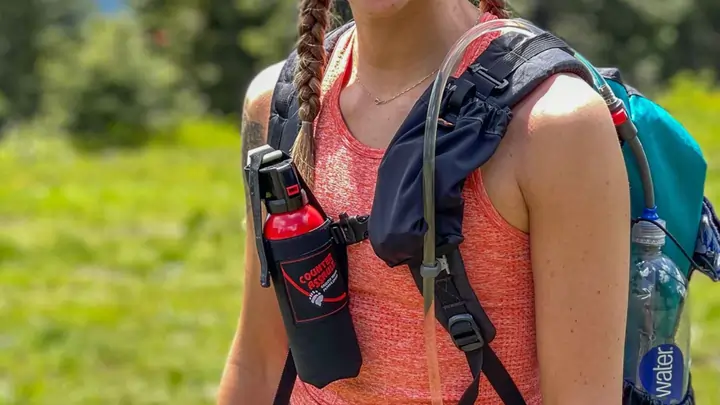
Essential bear safety
- Carry bear spray on your hip — accessible, not buried in your pack
- Hike in groups and make noise on trails with limited visibility
- Maintain a minimum 100-yard distance from bears and wolves; 25 yards from other wildlife
- Never leave food accessible in vehicles or at campsites — use bear boxes
- Stop only in designated pullouts if you spot wildlife from the road
Weather: Mountain weather changes fast. Morning sunshine can become afternoon thunderstorms at elevation. Always bring rain layers on any hike above treeline.
One-, Two- and Three-Day Glacier Itineraries (Lake McDonald-Focused)
One day (west-side greatest hits)
- Pre-dawn start from West Glacier for mirror-calm Lake McDonald reflections at Apgar
- Drive GTSR to Logan Pass; attempt Hidden Lake Overlook if conditions allow
- Trail of the Cedars / Avalanche Lake trailhead on the way back
- Sunset at the Lake McDonald Lodge dock or Apgar beach
Two days
- Day 1: Lake McDonald + full GTSR traverse + Logan Pass + Wild Goose Island
- Day 2: Many Glacier for lakeside boat tours and Grinnell Glacier trail; overnight in St. Mary or West Glacier
Three days
- Day 1: Lake McDonald shoreline at dawn + Trail of the Cedars + Avalanche Lake hike
- Day 2: Full GTSR traverse with photo stops — Big Bend, The Loop, Logan Pass, Jackson Glacier Overlook
- Day 3: Two Medicine for quieter exploration or return to favorite west-side spots
Conclusion
Glacier rewards those who arrive early, plan smart, and stay present. The small gateway towns, the cedar-scented trails, the impossible reflections on Lake McDonald at first light — these are the moments you'll carry with you long after the trip ends.
Bring your camera, your sense of wonder, and a bit of gratitude. This corner of Montana has been waiting for you.
Ready to plan your visit? Our Plan Your Visit hub covers driving directions, parking, best time to go and step-by-step reservation guidance — all specific to the Lake McDonald side of the park.