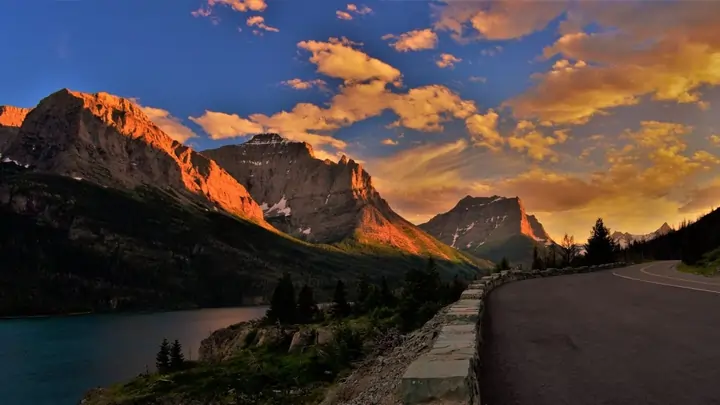
Picture this: you're gripping the steering wheel as your heart pounds with anticipation, navigating curves that seem carved by the gods themselves, while towering peaks pierce the sky like ancient cathedrals of stone and ice. Welcome to Going to the Sun Road – not just a drive, but a spiritual journey through the very soul of America's wilderness that will leave you questioning everything you thought you knew about natural beauty.
This isn't your typical scenic route. This 50-mile ribbon of asphalt threading through Glacier National Park is pure magic – a heart-stopping adventure that connects West Glacier to St. Mary through landscapes so dramatic they feel almost surreal. Going to the Sun Road doesn't just show you nature; it makes you feel gloriously, overwhelmingly alive.
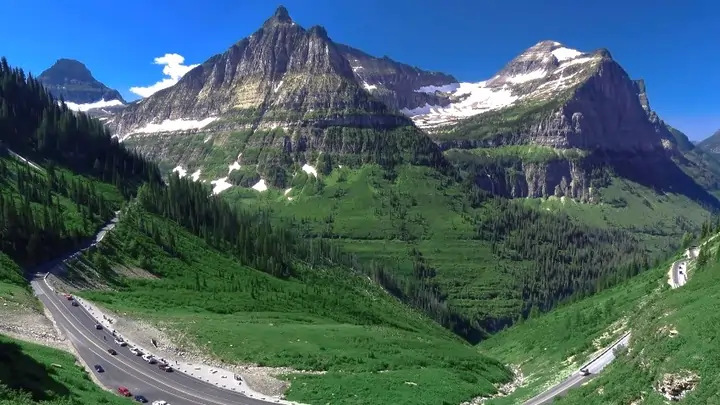
Why This Road Will Stop Your Heart (In the Best Possible Way)
The Going to the Sun Road earned its National Historic Landmark status through sheer audacity and vision. Completed in 1932 after 11 years of death-defying construction, this engineering masterpiece represents humanity's boldest attempt to dance with nature rather than conquer it. Workers literally carved this path into solid rock faces, creating a route that soars to 6,646 feet above sea level at Logan Pass – where you'll literally touch the clouds.
What makes this road absolutely extraordinary isn't just its jaw-dropping beauty, but its perfect harmony with the wilderness. Every bridge, tunnel, and viewpoint was meticulously designed to complement rather than dominate the landscape. The result is a symphony of human ingenuity and natural splendor that will move you to tears.
Mind-blowing facts
- It crosses the Continental Divide through an alpine wonderland
- Only fully accessible 4–5 months per year due to extreme weather
- Connects two completely different ecosystems in one incredible journey
- Considered one of the most photographed roads on Earth
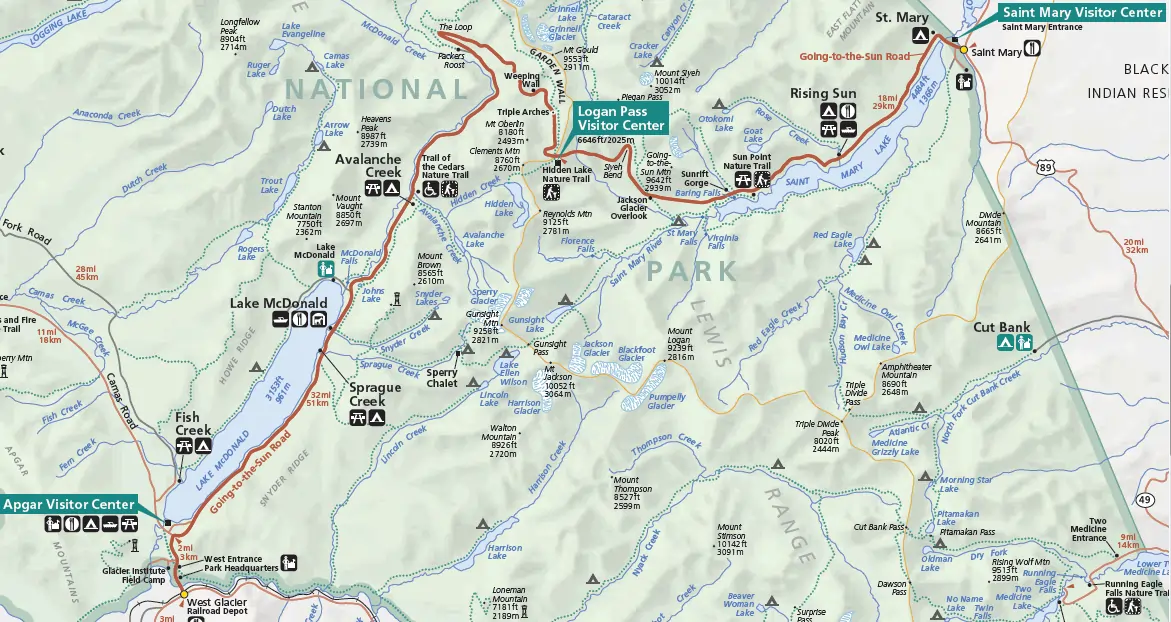
The Must-See Stops That Will Take Your Breath Away
Lake McDonald: Your Gateway to Paradise
Starting your adventure from West Glacier, Lake McDonald welcomes you like a gentle giant – this 10-mile glacial lake serves as a perfect introduction to the wonders ahead. But don't let its serene appearance fool you; this mirror-like expanse holds mysteries that will captivate your soul.
Arrive at dawn, and you'll witness pure magic. The first golden rays transform the lake into liquid gold, perfectly reflecting the surrounding peaks in a display so perfect it seems impossible. This is where many visitors first grasp just how different this place truly is.
Why Lake McDonald will enchant you
- Perfect mirror reflections during calm morning hours
- Easy lakeside trails for stretching your legs
- Sunset colors that paint the water in impossible hues
- An ideal spot for contemplative moments before the adventure intensifies
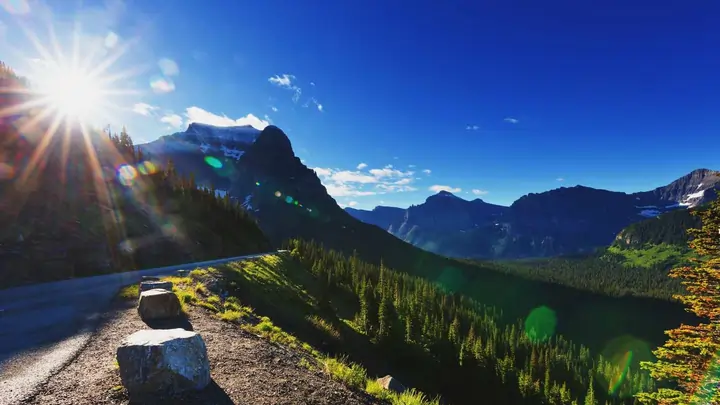
Logan Pass: Standing on Top of the World
At 6,646 feet above sea level, Logan Pass isn't just the highest point on the road – it's where earth meets heaven. This alpine paradise serves as the beating heart of your Going to the Sun Road experience, offering 360-degree views that will make you feel dizzy with wonder.
The visitor center here provides fascinating insights, but honestly, you'll be too mesmerized by the panoramic spectacle surrounding you to focus on much else. This is where the famous Highline Trail begins, but even if hiking isn't your thing, simply breathing the crisp mountain air while standing among wildflower meadows beneath towering peaks is life-changing.
Standing at Logan Pass, you'll understand why Native Americans considered these mountains sacred. There's something profoundly spiritual about being this close to the sky.
What makes Logan Pass absolutely magical
- Panoramic views of the Continental Divide
- Access to world-class alpine hiking trails
- Regular wildlife sightings including mountain goats
- Wildflower displays that rival the most beautiful gardens
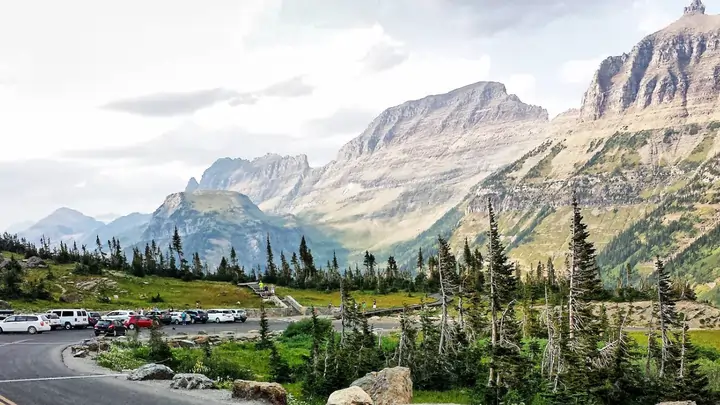
Hidden Lake Overlook: Your Secret Mountain Paradise
Here's a personal favorite hidden gem – the Hidden Lake Overlook. This moderately challenging 3-mile roundtrip hike from Logan Pass rewards you with views so spectacular they'll permanently etch themselves into your memory. Hidden Lake gleams like a precious sapphire nestled among granite giants, accessible only to those willing to earn the experience.
What makes this hike extraordinary is the sense of discovery. While other viewpoints attract crowds, Hidden Lake often feels like your private mountain paradise, especially during early morning or late afternoon visits. The trail itself is an adventure through alpine meadows that explode with wildflowers during summer months.
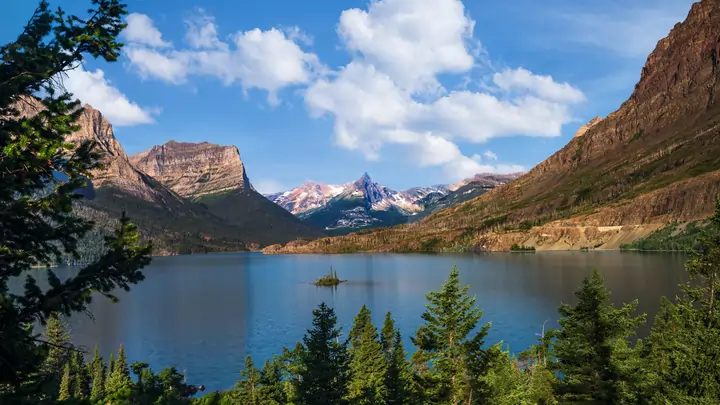
Wild Goose Island: The Picture-Perfect Postcard
As you reach the eastern section of Going to the Sun Road, prepare for one of the most photographed spots in all of Glacier National Park. Wild Goose Island in St. Mary Lake creates a composition so perfect it seems almost artificial – a small island crowned with a few lonely pines against a backdrop of dramatic mountain peaks.
Visit during sunset, and you'll witness nature's own light show as the last rays paint the mountains in shades of rose and gold, reflecting perfectly in the tranquil waters. This is where many visitors experience their "I can't believe this is real" moment.
Essential Planning: Your Key to Paradise
Reservation System: Securing Your Adventure
Since 2021, Going to the Sun Road requires advance reservations during peak season. This timed entry system controls crowds while preserving the experience for everyone.
How to secure your entry
- Reservations open monthly on Recreation.gov at exactly 8:00 AM MT
- Required for West Entrance access between 7 AM and 3 PM
- Cost: $2 per vehicle (plus park entrance fee)
- Available up to 120 days in advance
Pro tip: Popular dates sell out in minutes, so be ready to click the instant reservations open! Full step-by-step reservation guide →
Best Time to Visit: Timing Your Adventure
The Going to the Sun Road season runs roughly from late June through mid-October, with each period offering unique magic.
Summer (July–August) — Peak Glory
- Road fully open with perfect weather
- Wildflower displays at their most spectacular
- Warmest temperatures for hiking adventures
- Peak wildlife activity
Early Fall (September–October)
- Stunning autumn colors painting the landscape
- Fewer crowds for more intimate experiences
- Still-pleasant weather for outdoor activities
- Possible glimpses of first snow on peaks
Winter — The Car-Free Corridor (November–April)
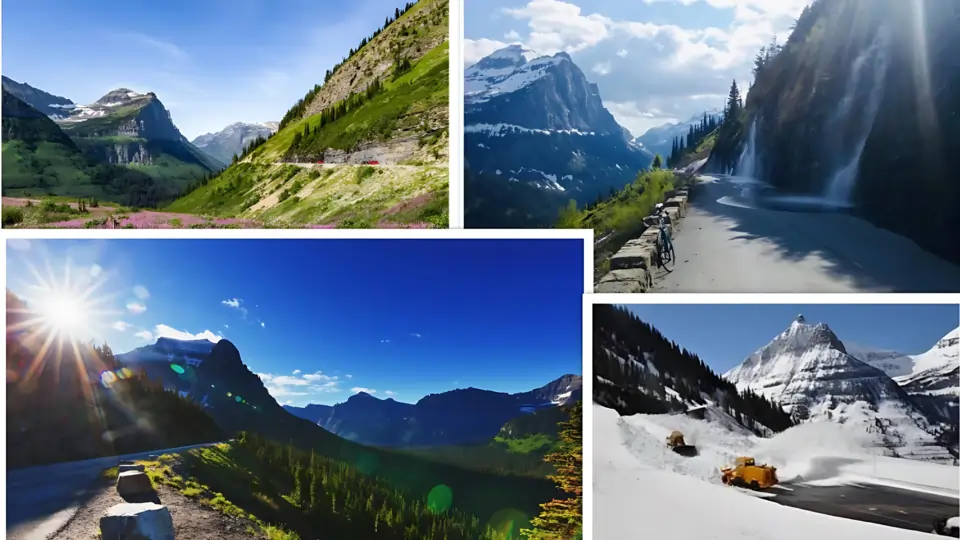
- Road closed to vehicles beyond Avalanche Creek; first 12 miles to Lodge remain plowed
- Beyond the lodge: open for snowshoeing and cross-country skiing — no permits required
- World-class alpine skiing at Whitefish Mountain Resort, 45 min from the West Entrance
- Zero crowds, active wildlife and dramatic snow-covered scenery
Visiting in winter? Our complete Lake McDonald winter guide covers the snowshoeing corridor beyond the lodge, what facilities are open, winter driving tips and skiing at Whitefish Mountain Resort.
Wildlife Encounters: Meeting the Mountain's True Residents
Your Going to the Sun Road adventure offers incredible opportunities to witness wildlife in their natural habitat. From majestic grizzly bears to gravity-defying mountain goats, every sighting becomes a treasured memory.
Mountain Goats: Nature's Acrobats
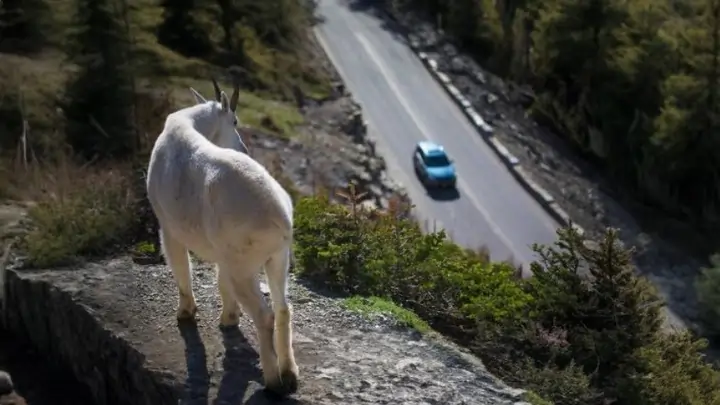
These incredible creatures seem to mock gravity itself, scaling seemingly impossible rock faces with elegant ease. Logan Pass and surrounding areas offer prime viewing opportunities, especially during early morning hours when they're most active. Their specialized hooves and incredible balance make them perfectly adapted to this harsh alpine environment – true masters of their mountain domain.
Bears: Respecting the Wilderness Kings
Both black bears and grizzly bears call Glacier National Park home. While encounters are thrilling, they demand respect and caution. Always maintain a minimum 100-yard distance and never attempt to feed these magnificent predators.
Essential bear safety
- Stop only in designated pullouts if you spot bears from your vehicle
- Never leave food accessible in your car or campsite
- Make noise while hiking to avoid surprising bears
- Carry bear spray and know how to use it
Photography Tips: Capturing the Magic
Going to the Sun Road offers some of the world's most spectacular photography opportunities. Every curve reveals compositions that seem designed by master artists.
Golden Hour Magic
The first hour after sunrise and the last hour before sunset transform the landscape into a masterpiece of warm, golden light. These magical moments create the perfect conditions for capturing the road's dramatic beauty.
Essential Photography Locations
- Jackson Glacier Overlook: Direct views of one of the park's most accessible glaciers
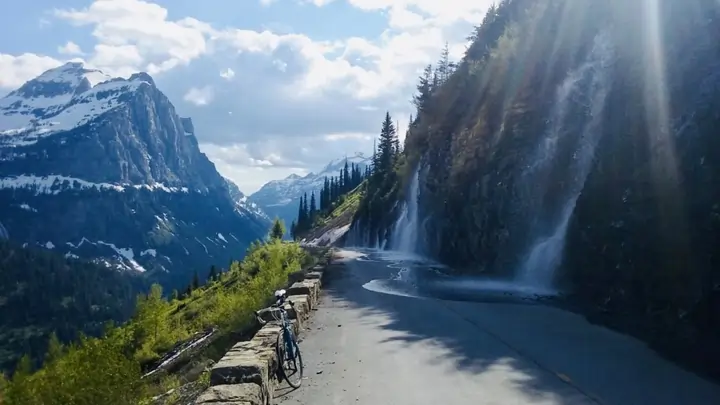
- Weeping Wall: Spring cascades creating a natural water curtain over the road
- Bird Woman Falls: A 492-foot waterfall visible from multiple road vantage points
Technical Tips for Stunning Shots
- Use foreground elements like wildflowers or rocks for depth
- A polarizing filter reduces lake reflections and intensifies sky contrast
- Neutral density filters help capture flowing water in waterfalls
Is Going-to-the-Sun Road Scary to Drive?
For many visitors, yes — and that reaction is completely normal. The road is only 21 feet wide in its narrowest sections, with sheer cliff walls on one side and exposed drop-offs on the other, often without guardrails. Near Logan Pass the road is built directly into the cliff face at over 6,600 feet elevation. The combination of narrow lanes, oncoming traffic and vertical exposure is genuinely intimidating the first time.
That said, millions of visitors drive it every year without incident. The speed limit is 25 mph, traffic moves slowly, and the road is engineered so drivers have enough reaction time even at its most exposed points. If heights are a real concern, the free NPS shuttle stops at every major viewpoint and lets you experience the whole road without being the one behind the wheel.
- Drive in the morning — lighter traffic and calmer conditions than afternoon
- Passengers should not call out views while the driver is navigating narrow sections
- Vehicles over 21 feet are not permitted on the road above Avalanche Creek
- Pull into turnouts to look at the scenery — do not slow down mid-lane
Has Anyone Fallen Off Going-to-the-Sun Road?
Serious accidents on the road do occur, though they are rare given the volume of traffic — over 700,000 vehicles make the crossing in a typical summer season. Most incidents involve pedestrians walking in narrow sections without adequate visibility, cyclists, or weather events such as ice or rockfall rather than passenger vehicles simply driving off the edge. The NPS recommends staying in your vehicle whenever possible in exposed areas and using designated pullouts exclusively for stops.
Why Going to the Sun Road Will Change Your Life
Going to the Sun Road isn't just a drive – it's a pilgrimage through some of the most spectacular wilderness on Earth. This legendary route offers far more than scenic views; it provides perspective, inspiration, and a profound connection to the natural world that will stay with you forever.
Whether you're seeking adventure, tranquility, or simply an escape from the ordinary, this mountain highway delivers experiences that transcend typical tourism. Every curve brings new wonders, every vista tells ancient stories, and every moment reminds you why places like this must be preserved for future generations.
The road may be only 50 miles long, but the memories you'll create here will last a lifetime. Pack your sense of wonder, bring your camera, and prepare for a journey that will forever change how you see the world.