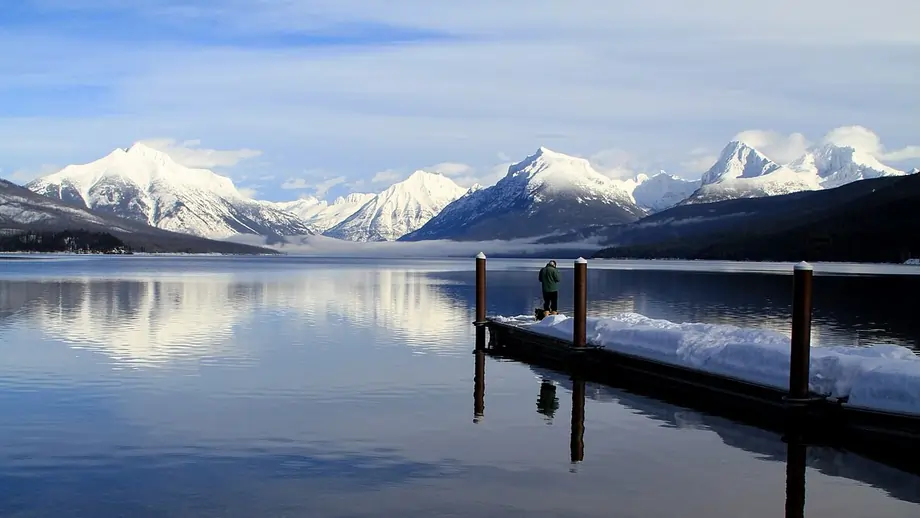
Can You Swim in Lake McDonald?
Yes — Lake McDonald swimming is allowed and genuinely spectacular. The water is so clear you can see the famous colored pebbles on the bottom from 15 feet up. But the lake is fed by glacial meltwater and snowpack runoff, and it stays cold. Knowing the Lake McDonald water temp before you wade in makes for a much better experience.
Cold shock risk: Lake McDonald rarely exceeds 60°F even in peak summer. Water this cold can cause involuntary gasping and muscle cramping within minutes. Enter slowly, never dive, and stay within your depth. Children and non-swimmers should always wear a life jacket.
Lake McDonald Water Temperature by Month
| Month | Surface Temp (°F) | Conditions |
|---|---|---|
| May | 42–48°F | Snowmelt cold — wade only |
| June | 48–54°F | Cold — brief dips for the brave |
| July | 54–60°F | Warmest month — still cold but swimmable |
| August | 56–62°F | Peak swimming season — still refreshingly cold |
| September | 48–56°F | Cooling — waders and splash-swimmers only |
| October+ | Below 48°F | Too cold for recreational swimming |
The shallow areas near shore warm faster than the open lake. On a hot August afternoon, the first 2–3 feet of water in the shallows at Apgar can feel considerably warmer than 60°F — more like the low 60s to mid-60s. The deeper you go, the colder it gets.
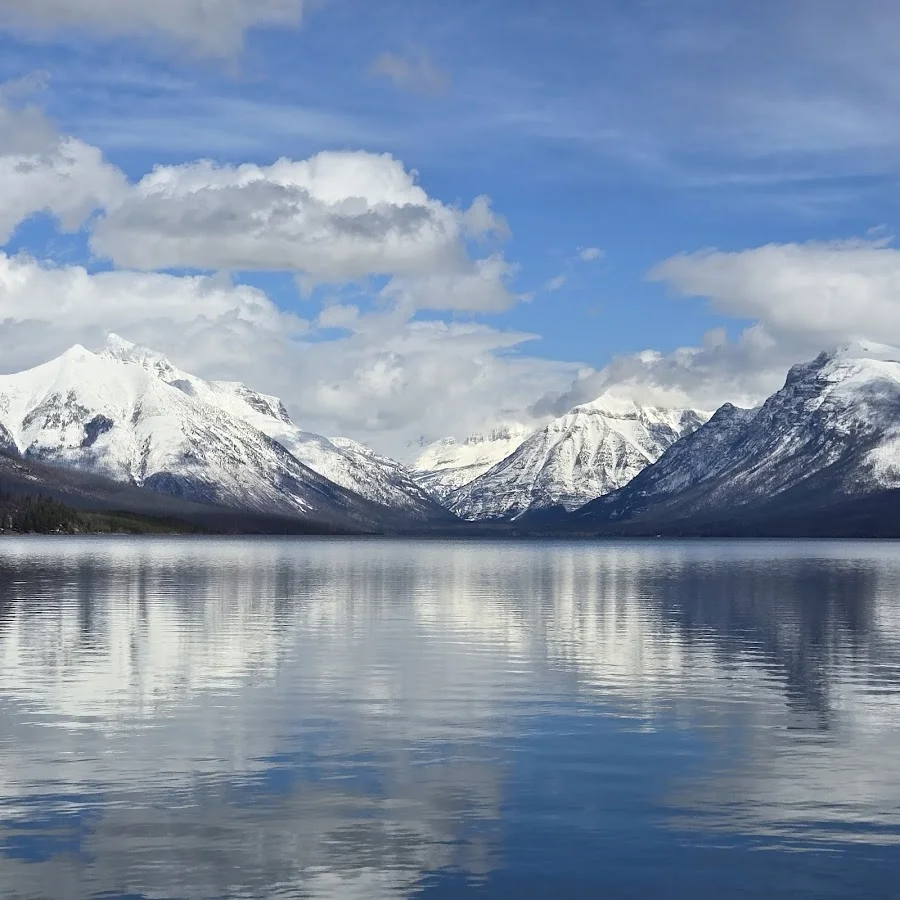
Best Swimming Spots
The main swimming area at Lake McDonald, located at the western end of the lake near Apgar Village. The entry is gradual and the bottom is covered in the famous Rainbow Rocks — flat, smooth argillite pebbles in red, green and purple, beautiful underfoot. The water is slightly warmer here than at the deeper eastern end because the shallows extend further out.
Apgar has restrooms, picnic tables, a visitor center, boat rentals and an ice cream shop within easy walking distance. The NPS shuttle stops here. Best for families with young children who want easy lake access without a long hike.
A short walk from Fish Creek Campground, the beach here is more secluded than Apgar and sees fewer day visitors. The bottom is rockier — water shoes are helpful. A picnic area makes this a good option for a longer afternoon at the lake. Day use is free.
A small pull-off area midway along Lake McDonald's shore between the Lodge and Avalanche Creek, right by Sprague Creek Campground. Good lake access with views of the peaks reflected in the water. The entry is steeper and rockier than Apgar. Gets crowded on summer afternoons since it's one of the few accessible shore spots along the upper lake road.
Cold Water Safety
Lake McDonald is glacier-fed and cold year-round. The biggest risk isn't hypothermia from long exposure — it's cold shock response on sudden immersion, which can cause involuntary gasping, panic, and loss of swimming ability even in strong swimmers.
- Enter slowly — wade in gradually, never jump or dive into cold water
- Splash your face and neck first to acclimate to the temperature
- Swim parallel to shore — if cold shock hits, you want to be able to reach shore easily
- Life jackets for children — always, regardless of swimming ability
- No lifeguards on duty — swimming is entirely at your own risk
- Get out if you feel numb or cramping — muscle cramps from cold water are dangerous
- Buddy system — never swim alone
The colored pebble beaches are best viewed at the waterline — the rocks are most vivid when wet. Even if you don't swim, wading in the shallows and looking down at the pebble mosaic is one of Lake McDonald's signature experiences.
Frequently Asked Questions
Yes. Lake McDonald in Glacier National Park, Montana allows swimming at Apgar Beach, Fish Creek Campground Beach and the Sprague Creek pullout. There are no lifeguards, and the water stays cold — usually below 60°F even at the height of summer.
Lake McDonald's surface water temperature ranges from the low 40s°F in May to a peak of roughly 56–62°F in August, then drops again through September. The shallow water near shore at Apgar can feel several degrees warmer than the open lake.
Technically yes, but it's uncommon. Avalanche Lake is fed by glacial meltwater and often carries fine glacial silt, so the water is even colder and cloudier than Lake McDonald. Most visitors wade along the shoreline rather than swim. Lake McDonald, a short drive away, offers clearer water and easier swimming access.