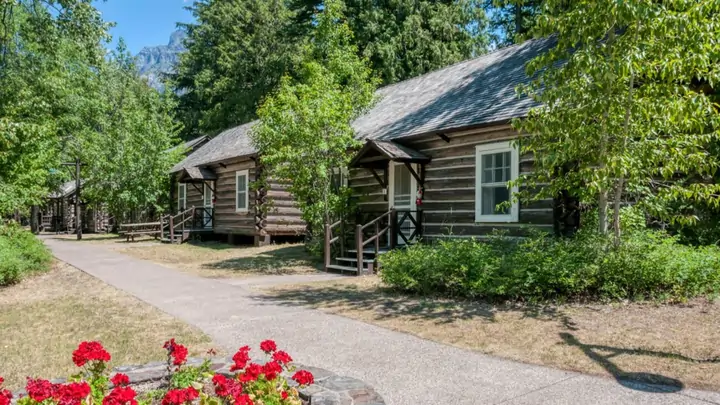
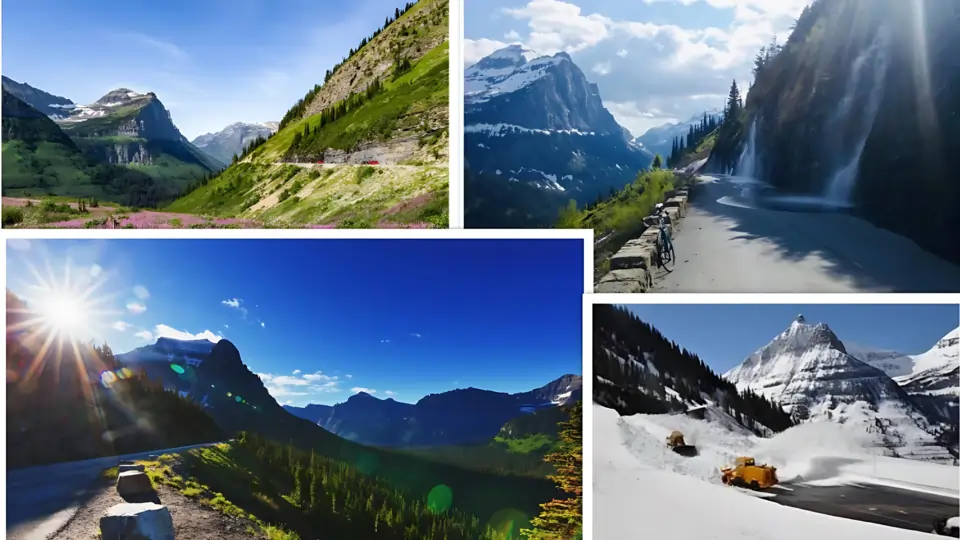
Lake McDonald is beautiful year-round, but what's accessible — and how crowded it is — changes dramatically by season. Here's an honest breakdown of every month so you can pick the trip that matches your goals.
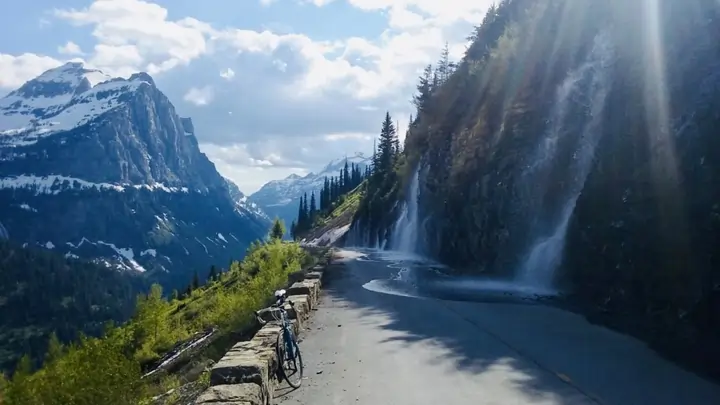
Summer — Late June through August
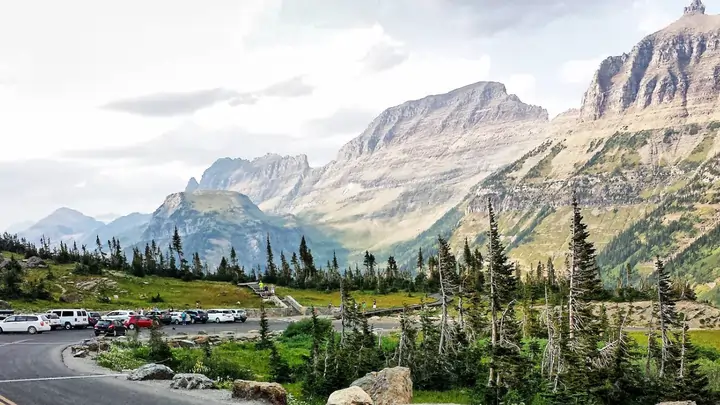
Late June is the access sweet spot: GTSR opens (usually late June, pending snowpack clearance) and all park services come online before crowds hit their August peak. Trailhead parking is still manageable if you arrive by 7 am, and lodge last-minute availability is marginally better than mid-July. While June offers the best early-season logistics, afternoon thunderstorms are common at elevation — check the Glacier Park weather guide before heading above tree line.
July and August are peak logistics season. Every trailhead fills by 9 am, the Lodge books out months ahead, and vehicle permits for GTSR are required from 7 am–3 pm. Day-of walk-up permits are essentially nonexistent — lodge rooms, campsites, and GTSR vehicle permits can all sell out within minutes of opening in January. While July has the best overall conditions, make sure to read about afternoon thunderstorm patterns in our Glacier Park weather guide before heading out.
- Full GTSR access
- All trails snow-free
- Lodge & dining open
- Boat tours running
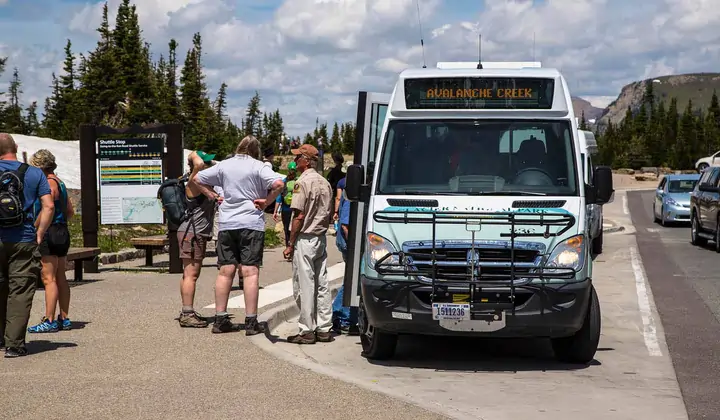
- Shuttle system active
- Highest crowds
- Vehicle permits needed
- Parking fills early
- Lodging scarce & pricey
- No walk-up permits available
Shoulder Season — May, September, Early October
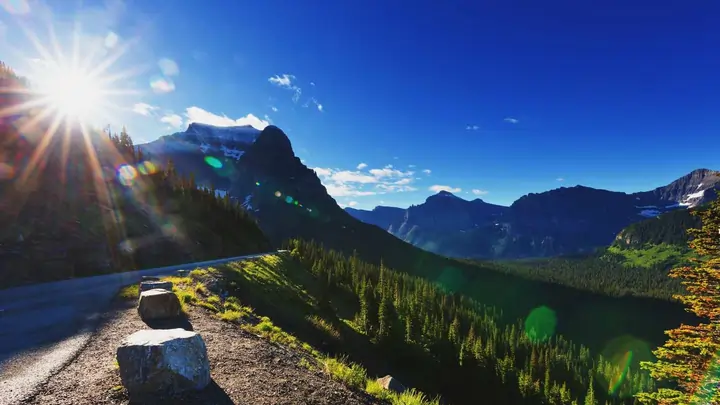
September is the logistics sweet spot: summer crowds drop sharply after Labor Day, vehicle permits for GTSR are no longer required, and parking is plentiful at every trailhead. All major services remain open through mid-to-late September. The Lodge typically closes in late September or early October — if targeting the last week of the month, book lodging two to three months ahead. Walk-up access returns and the whole park breathes again.
May is the easiest month to get a campsite or permit, no planning required. Crowds are minimal, Apgar and campgrounds are open, and the western portion of GTSR (to Avalanche Creek) is usually accessible. The upper road remains closed — Logan Pass and beyond don't open until late June at the earliest. Services at West Glacier are limited, and conditions change fast. See the weather and conditions guide for what to expect before your trip.
- Much smaller crowds
- No vehicle permits
- Fall color (Sept)
- Lower lodging prices
- Active waterfalls (May)
- Upper GTSR closed until June (May)
- Limited services at West Glacier (May)
- Lodge closes late September (Oct)
- Most amenities shut down (Oct)
Winter — November through April
The park remains open year-round, but Going-to-the-Sun Road closes at the Avalanche Creek gate after the first major snowfall (typically November). The western portion — from the park entrance to Avalanche Creek — stays open in winter for walking and snowshoeing.
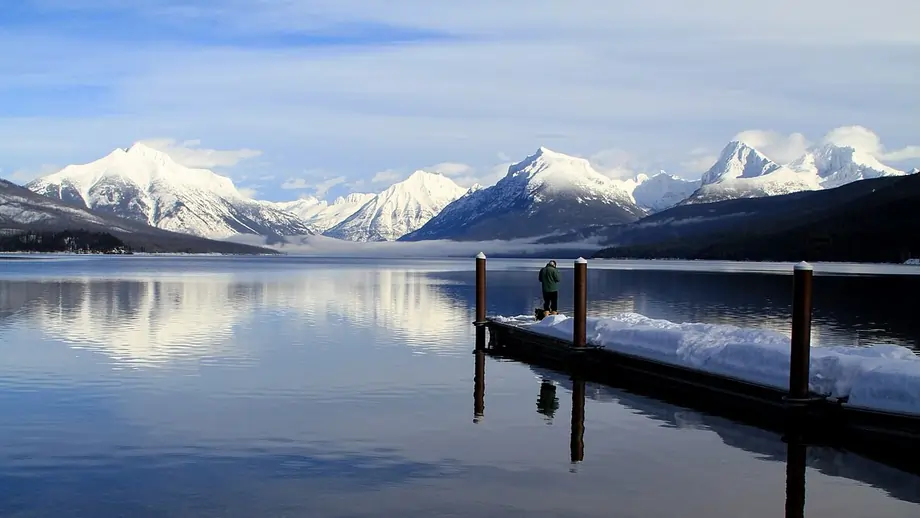
The lake itself doesn't freeze reliably (it's too deep and large), but the surrounding landscape transforms into a genuine winter wilderness. The Lodge is closed; West Glacier services are minimal. Apgar Visitor Center has limited winter hours.
If you're an experienced backcountry traveler, winter is extraordinary — the crowds are zero, the elk and wolves are active, and the snow-covered lake valley is one of the most beautiful landscapes in the American West. For most visitors, however, late spring through fall is the practical window. Planning a winter trip? Our complete Lake McDonald winter guide covers snowshoeing routes, what facilities are open, and skiing at Whitefish Mountain Resort just 45 minutes away.
- True solitude
- Wildlife activity up
- Stunning snowscapes
- No permits, no parking issues
- GTSR closed
- No lodge, no shuttles
- Road access limited
- Short days, harsh weather
When to book: Lodge rooms and vehicle permits open months in advance and sell out within hours. For July or August, start watching reservation.gov and glaciernationalparklodges.com in January. For September, you have more flexibility — often bookable in May or June. Full permit guide →
Booking & Logistics Calendar
What's open, whether permits are required, and how far ahead to book — month by month.
| Month | GTSR Access | Vehicle Permit | Lodge & Services | Book By | Crowds |
|---|---|---|---|---|---|
| May | West section only (to Avalanche Creek) | No | Apgar open; Lodge closed | 2–4 weeks ahead | Low |
| June | Opening progressively; Logan Pass late June | Yes (once road opens) | Lodge opens early June; full services mid-June | 3–6 months ahead | Moderate |
| July | Full access | Yes (7 am–3 pm) | All open; boat tours & shuttles running | 6+ months ahead (Jan release) | Peak |
| August | Full access | Yes (7 am–3 pm) | All open; services wind down late Aug | 6+ months ahead (Jan release) | Peak |
| September | Full access (no permit window) | No | Open mid-September; Lodge closes late Sept | 1–3 months ahead | Lower |
| October | Open (weather dependent) | No | Most services closed; Apgar limited hours | Walk-up possible | Low |
| Nov – Apr | Entrance to Avalanche Creek gate only | No | Lodge closed; no shuttle; Apgar limited | No reservation needed | Very Low |