
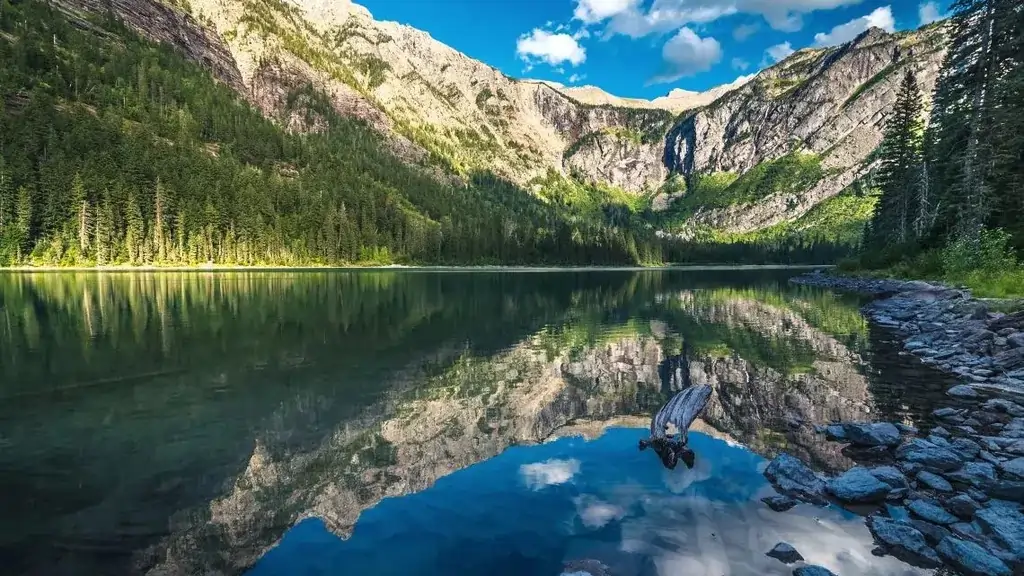
Avalanche Lake outperforms its distance rating significantly. The route traverses old-growth forest with consistent shade, follows Avalanche Creek through scenic gorges, and terminates at a glacial cirque surrounded by peaks and cascading waterfalls — consistently rated one of the most beautiful hikes in the park, and worth every step to reach the lake at the end.
The experience remains dramatic even in overcast conditions — and on rainy days the waterfalls intensify into something extraordinary. Here's everything you need to know before you go.
Why Avalanche Lake Is a Must-See in Glacier National Park
Among Glacier's hundreds of hikes, Avalanche Lake stands out for delivering maximum impact relative to effort. The combination of forest, creek, and alpine lake in a single 4.5-mile roundtrip makes it one of the park's best value trails. You don't need to be a seasoned hiker to reach something truly spectacular here.
Why this trail stands out
- Consistent shade through old-growth cedar and hemlock forest
- Avalanche Creek's vivid turquoise chutes visible from the trail
- Dramatic finale: a glacial cirque with multiple hanging waterfalls
- Rewarding in all conditions — misty days amplify the waterfalls dramatically
- Accessible from Trail of the Cedars, a classic boardwalk loop in its own right
How to Get to Avalanche Lake Trailhead
Driving directions from West Glacier / Lake McDonald
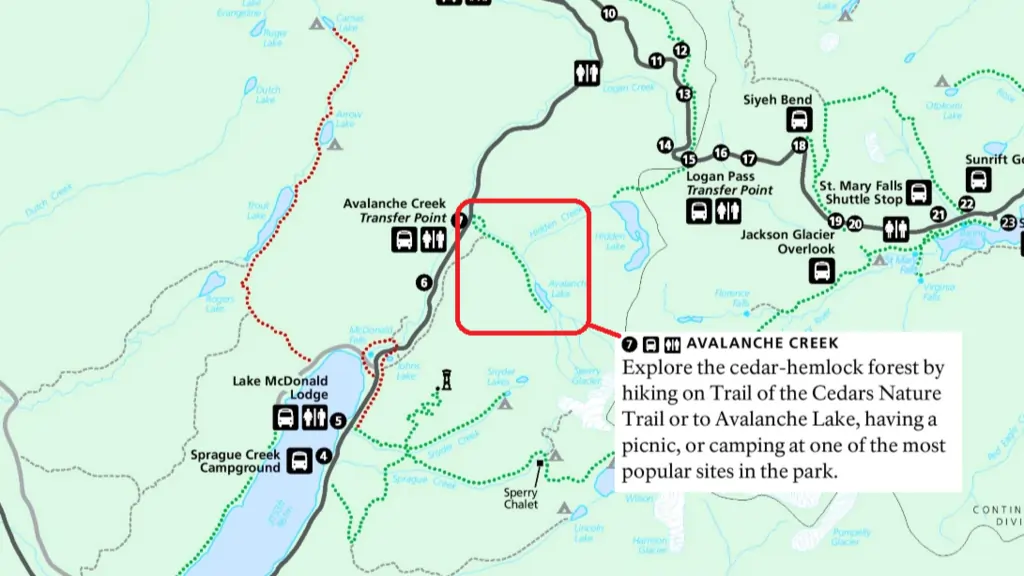
From the West Glacier entrance, follow Going-to-the-Sun Road along Lake McDonald. The Trail of the Cedars loop serves as your landmark; the Avalanche Lake trailhead branches directly from this location, approximately 16 miles from the West Glacier entrance station.
Parking & shuttle options
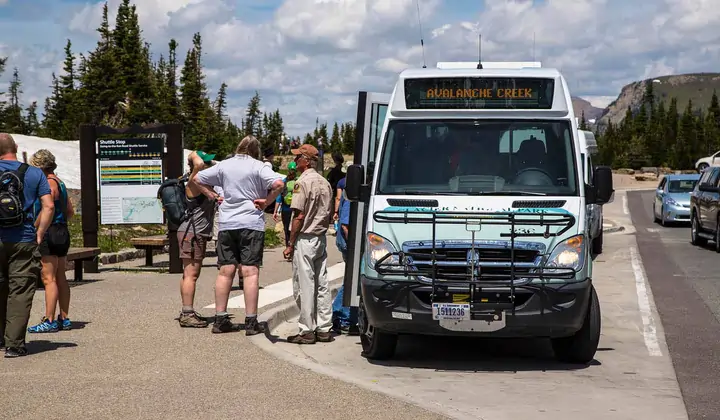
Parking capacity fills quickly during summer and weekends. Hikers who arrive around 5 a.m. consistently find the trail and lake calm and nearly empty — by mid-morning, groups are streaming up nonstop. Early arrival (pre-sunrise) or use of the park shuttle during peak season is strongly recommended.
Shuttle tip: The free park shuttle stops directly at Avalanche Creek/Trail of the Cedars. In summer, this is the most stress-free way to guarantee you get there without circling the parking lot.
Avalanche Lake Trail Stats: Distance, Elevation & Difficulty
Trail quick facts
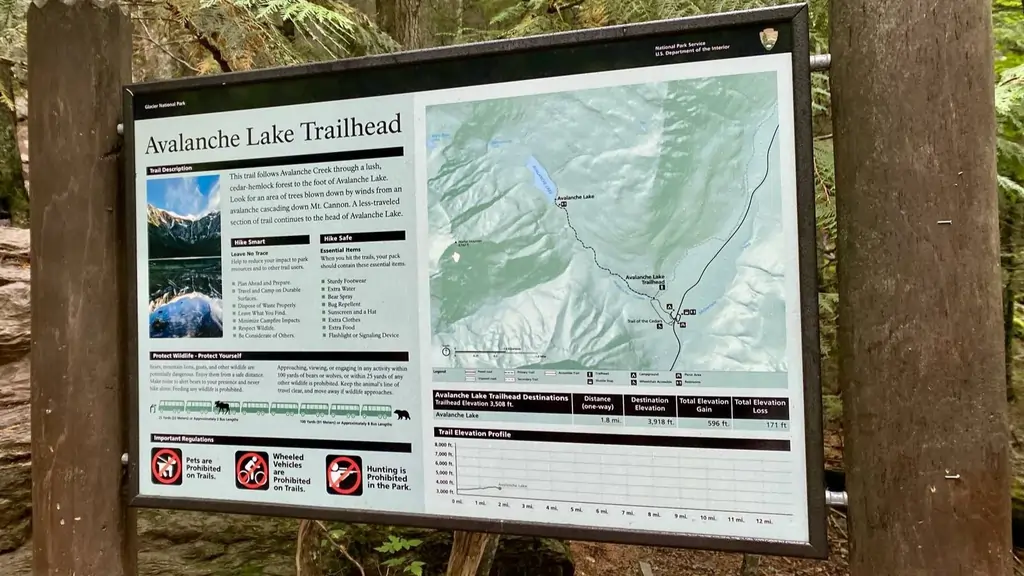
- Distance: 4.5 miles (7.2 km) roundtrip
- Elevation gain: Approximately 730 feet (222 m) — steady moderate climbing
- Average hiking time: 2–3 hours depending on pace and time at the lake
- Difficulty: Easy-to-moderate for experienced hikers; moderate for beginners
- Trail type: Out-and-back; well-signed and well-maintained
- Dogs: Not permitted on this trail (Glacier NP rules)
Multiple experienced hikers rate the push up to the lake as intermediate, due to a handful of steep sections. The steepest terrain comes in the final push before the lake opens up.
What to Expect on the Trail (Step by Step)
Trail of the Cedars
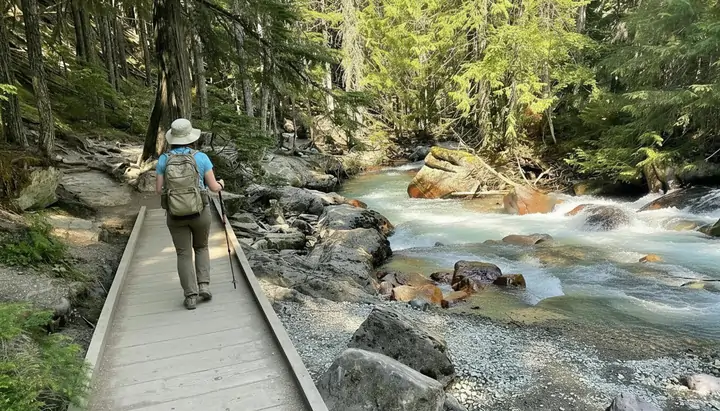
The route begins on a flat, family-friendly boardwalk through towering cedar and hemlock forest. The environment is cool, shaded, and intensely photogenic. This opening section is accessible to all fitness levels and gives you the chance to warm up your legs before the real climbing begins. The Trail of the Cedars is also a standalone 0.9-mile loop — perfect if you want an easy walk without the full hike.
Avalanche Creek & waterfalls
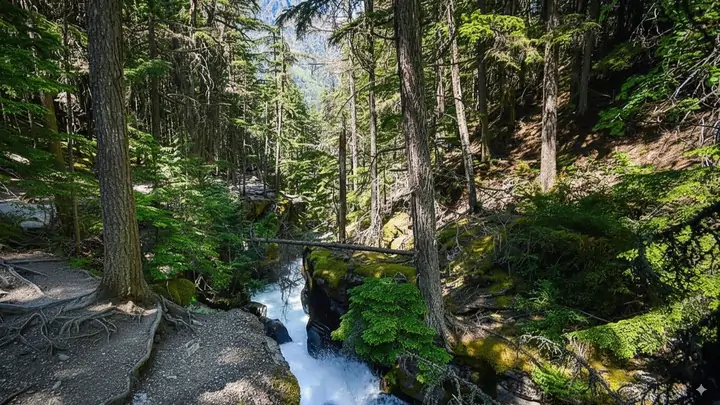
As elevation increases, the path parallels Avalanche Creek with periodic views into brilliant blue-green chutes and small waterfalls. Most of this stretch winds through dense forest, with only occasional glimpses of the creek — but those glimpses are stunning, and views emerge in intervals rather than continuously.
Final climb to the lake
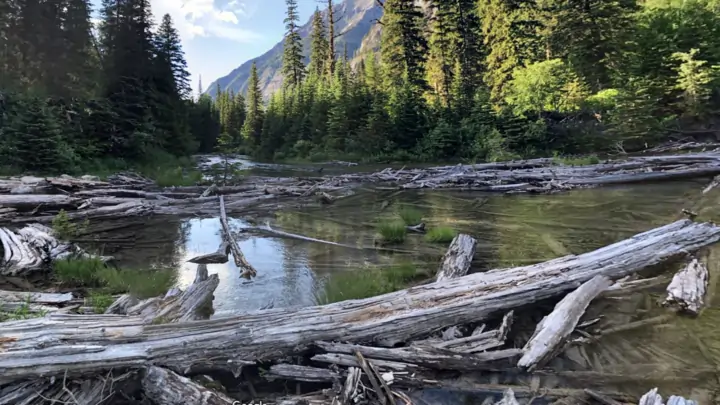
The final ascent presents the steepest terrain on the trail. Upon clearing the forest, Avalanche Lake appears — a glacial amphitheater featuring multiple cascades descending the cirque walls. Even on a rainy October day, with the creek running high, hikers describe the surging water and waterfalls as one of the most dramatic versions of the view. The lake more than repays the effort.
Highlights at Avalanche Lake
Monument Falls & surrounding peaks
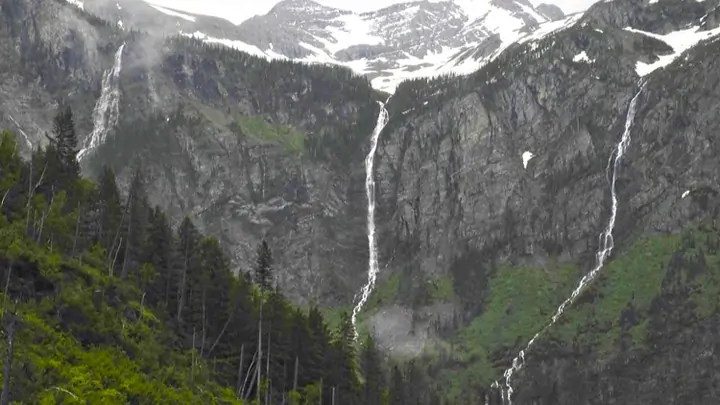
Multiple water ribbons cascade from the cirque walls in a display that shifts constantly with light and atmospheric conditions. After rain or during peak snowmelt in early summer, the falls are at their most powerful. Peaks encircle the lake on three sides, creating a natural amphitheater effect.
Photography tips at the lake
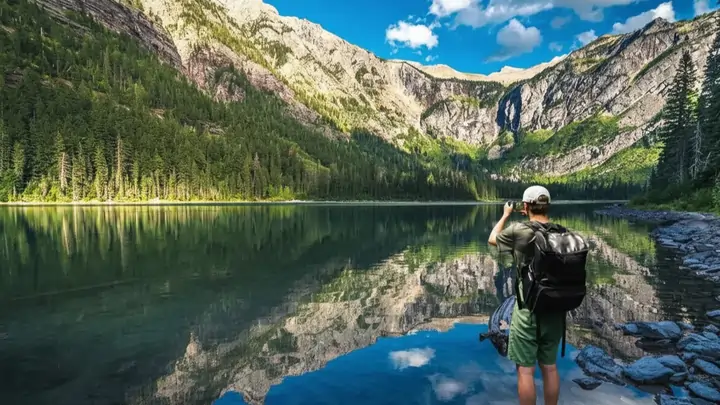
The lake's calm surface reflects the surrounding peaks in the early morning before the wind picks up. Cloudy and rainy days enhance waterfall definition and create a moody atmosphere that's often more photogenic than harsh midday sun.
Photography tips
- Early light: Produces reflective surfaces and minimal shoreline footprints
- Cloudy/rainy days: Enhance waterfall definition and mood — bring a microfiber cloth for your lens
- Varied focal lengths: Wide angles capture the cirque; telephoto isolates individual falls
- Extended time at the lake: Lighting and reflections shift dramatically over 30–60 minutes
Best Time to Hike Avalanche Lake Trail
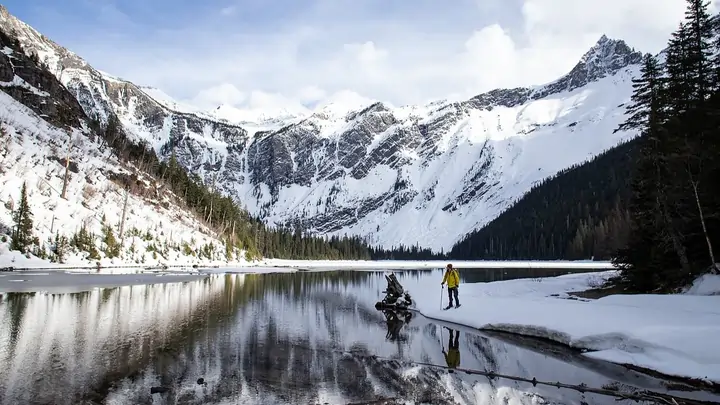
The trail is accessible from late spring through fall. Each season offers a distinct character — from snowmelt-swollen waterfalls in June to golden-light alpenglow in September.
Season & crowd guide
- Late Spring (May–June): Snowmelt, lively creek, cool temps; possible muddy spots — arrive early AM for quiet
- Summer (July–Aug): Peak crowds, warm, stable weather; shade helps — pre-sunrise arrival strongly recommended
- Early Fall (Sept): Crisp air, busy weekends, golden light — early AM on weekdays is best
- Mid–Late Fall (Oct): Fewer people, changeable weather, moody waterfalls — late morning windows between storms
Wildlife, Safety & Bear Awareness
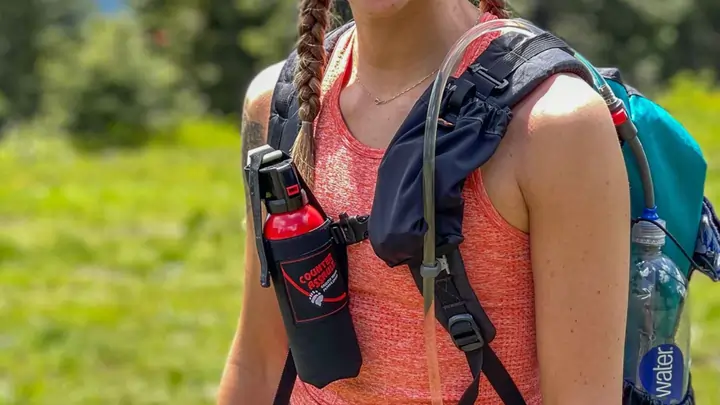
This region constitutes bear habitat — both black and grizzly species. Carry bear spray, maintain awareness of usage protocols, announce your presence on blind curves, and respect wildlife distance requirements. Bears, moose, deer and Steller's jays have all been spotted along this trail, sometimes on the same day. This is genuine wilderness; treat it accordingly.
Bear safety essentials
- Carry bear spray on your hip — not buried in your pack
- Make noise on blind corners and through dense forest sections
- Hike in groups of three or more when possible
- Maintain 100-yard distance from bears; 25 yards from other wildlife
- Stay on established trail — avoid spur paths and shortcutting switchbacks
Practical Tips for Hiking Avalanche Lake Trail
What to bring
- Water: Minimum 1–2 liters; no potable water on trail
- Snacks: Energy-sustaining provisions for 2–3 hours of hiking
- Footwear: Well-established path with roots and occasional mud — trail runners or light hiking boots work well
- Layers: Temperature drops noticeably near the lake; rain jacket recommended
- Bear spray: Required — available to rent in Apgar Village if you don't have one
Swimming: Water temperatures remain frigid with frequent glacial silt content. Shoreline wading occurs regularly; full swimming is uncommon.
FAQs About Avalanche Lake Trail
Frequently asked questions
- How long is the hike? Approximately 4.5 miles (7.2 km) roundtrip.
- Where is the trailhead? Glacier's west side, adjacent to Lake McDonald — branches from Trail of the Cedars.
- Is it difficult? Easy-to-moderate with consistent uphill ascent. Steepest section near the lake.
- Best time to go? Early morning for parking and tranquility; shoulder seasons (June, September) for fewer crowds.
- Are there bears? Yes. Bear spray, noise-making and wildlife distance maintenance are essential.
- Can you swim? Water is extremely cold and glacially silty — shoreline wading is more common than swimming.
- Are there restrooms? Seasonal facilities near the parking area. Check current park information.
- Is it kid-friendly? Yes — families hike this frequently. The steady grade is manageable; even partial completion (to Avalanche Creek) is rewarding.
Conclusion
The Avalanche Lake trailhead delivers considerable rewards for effort invested: forest shade, animated creek features, and a finale providing substantial visual impact. Early commencement produces calm water conditions; rainy occasions amplify waterfall activity. Preparation, early departure, and spending real time at the lakeshore optimize the experience.
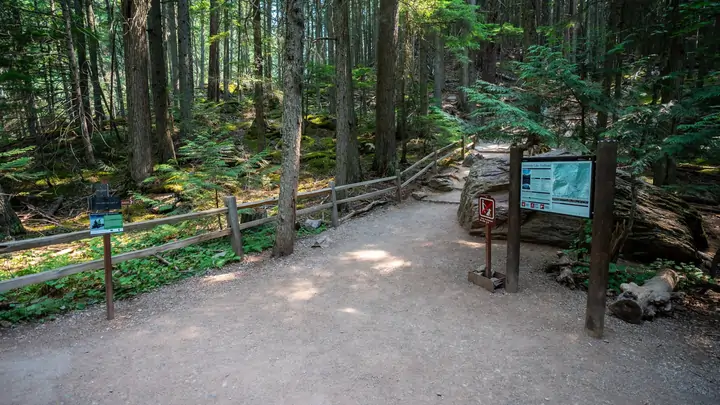
Looking for more trails near Lake McDonald? Our Hiking & Trails hub covers the Apgar Lookout Trail, Trail of the Cedars and upcoming trail guides for this side of Glacier.