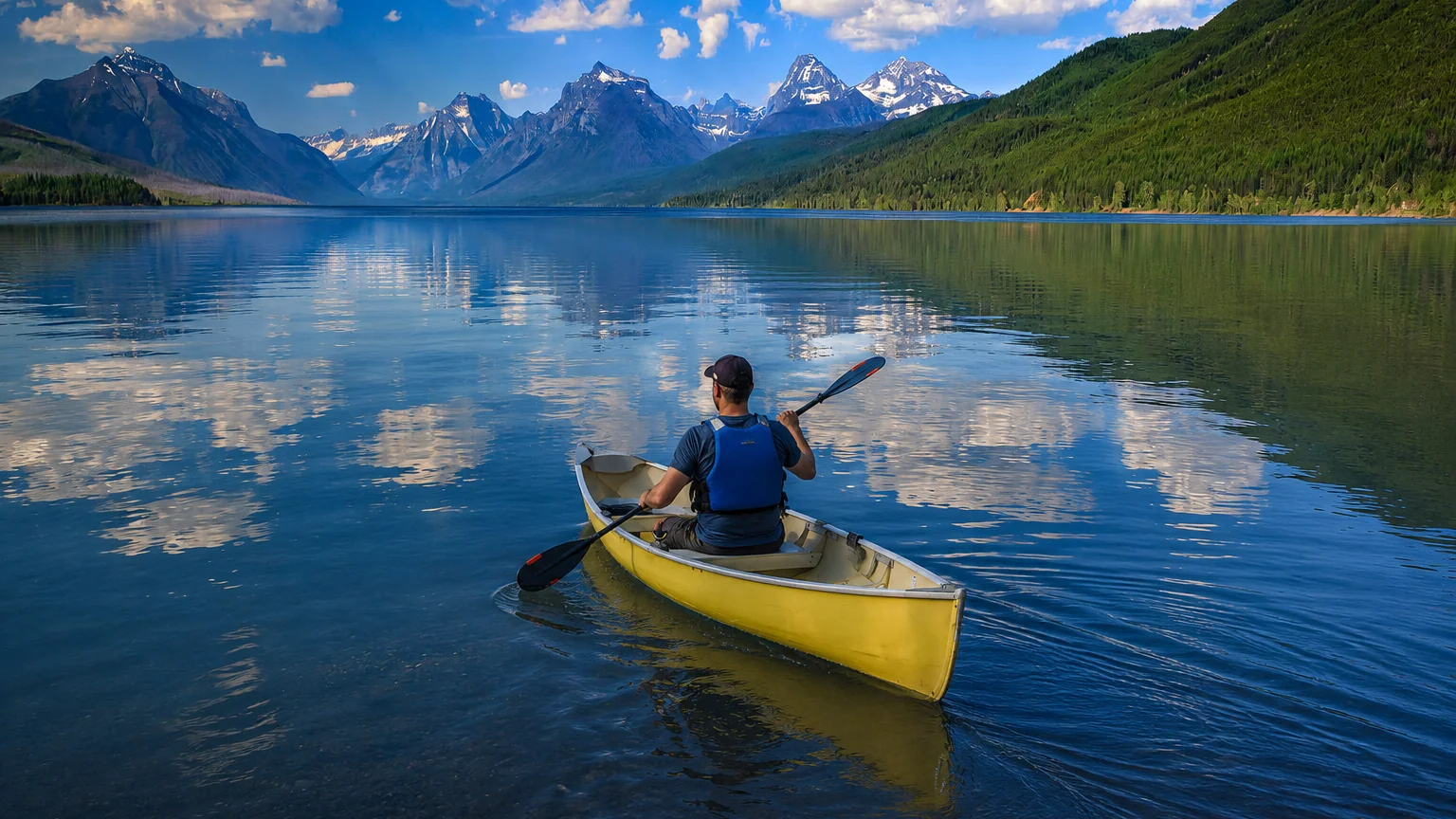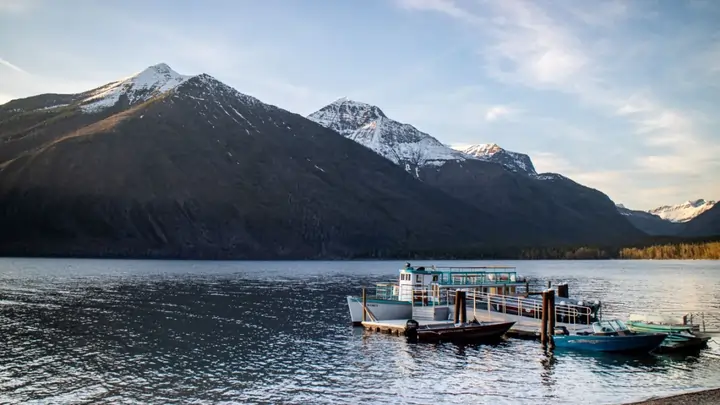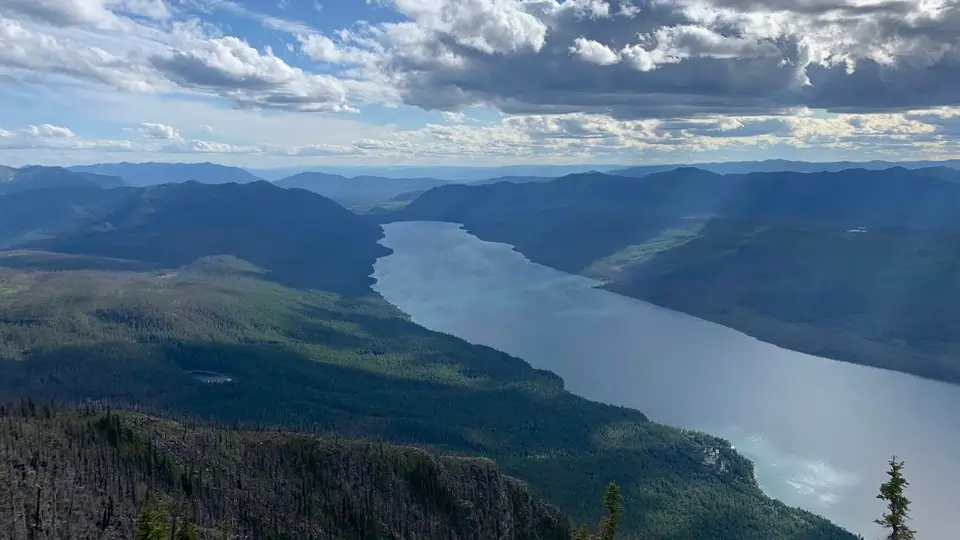
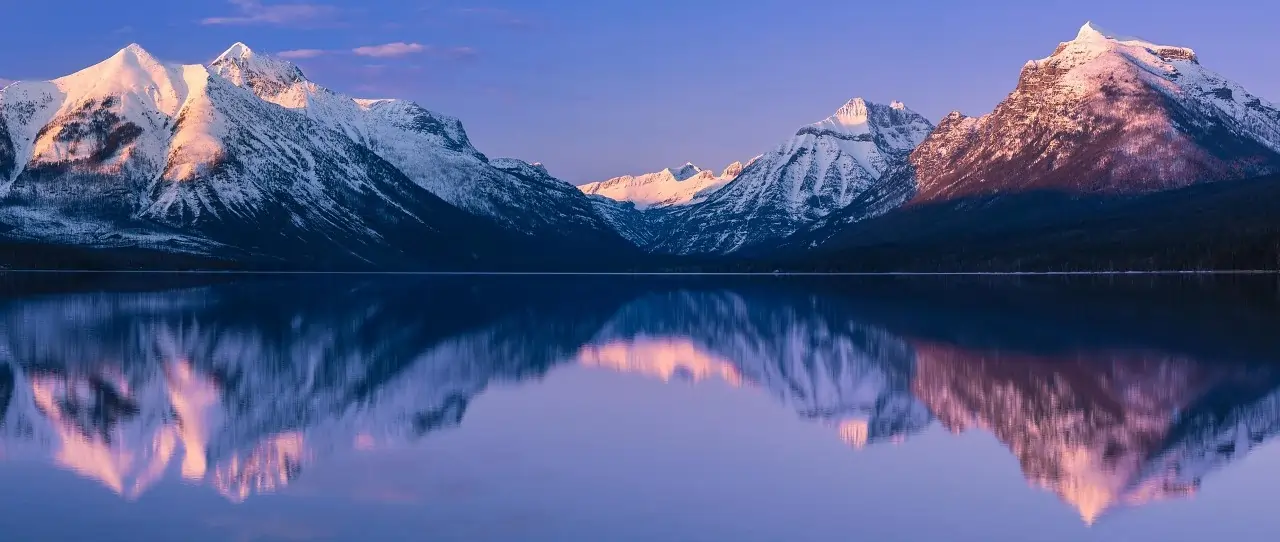
Lake McDonald is one of the most pristine fishing environments in the United States. At 9.4 miles long and 464 feet deep, it holds a thriving cold-water fishery in water so clear that on calm days you can watch your lure sink 30 feet before it disappears. The primary target is the westslope cutthroat trout — the native trout of Glacier National Park, evolved in these glacial waters over thousands of years, and as beautiful a fish as you're likely to pull from any mountain lake.
Fishing here is not about volume. The lake is large, the fish are selective, and the conditions change quickly with weather and season. What it offers instead is the experience of fishing in a genuinely wild place — no hatchery fish, no stocked water, just native trout in the same water that grizzlies drink from and bald eagles hunt over.

Fish Species in Lake McDonald
The native trout of the Columbia River drainage, the westslope cutthroat is the signature fish of Lake McDonald. Distinguished by the red slash marks under the jaw that give cutthroats their name, and by a body pattern of small, densely distributed spots concentrated toward the tail. They are typically 10–16 inches in the lake, with larger specimens common in the deeper water.
Cutthroats in Lake McDonald are opportunistic — they rise to dry flies during summer hatches, take streamers near the inlet streams, and respond well to spinners and small spoons. They fight well for their size in cold water.
Lake trout inhabit the deepest, coldest water in Lake McDonald — typically below 60 feet in summer when they retreat to the thermocline. They can reach 20–30 inches and fight hard at depth. Primarily targeted by trolling with downriggers or by jigging deep structure. The largest specimens concentrate around the deepest basins in the central lake.
Lake trout are more accessible in spring and fall when they move into shallower water to feed near the surface.
Bull trout are a federally threatened species in the Lake McDonald watershed. They are present in the lake and its inlet streams, where they are critically important as a top predator. If you catch a bull trout — identifiable by the absence of black spots (only red, orange and yellow spots on a dark body) — it must be immediately released without removing it from the water.
Do not attempt to keep bull trout. Violations carry serious federal penalties.
Mountain whitefish are abundant in the lake and surrounding streams. They are a native species and legally kept within the daily bag limit. Whitefish congregate in slower current areas and are commonly caught when fishing for cutthroats. They fight well for their size and are considered excellent table fare when smoked.
Best Fishing Spots
-
McDonald Creek — Lower SectionThe creek draining into the north end of the lake holds some of the best cutthroat fishing in the park. Fly fishing in the pools and riffles below the outlet is classic Montana small-stream fishing. Access via the Going-to-the-Sun Road or the trail system. Best in early morning and evening.
-
Apgar Village ShoreThe shoreline near Apgar is accessible year-round and fishes well in spring and fall when trout move shallow. Wade fishing near the outlet and along the rocky points near the campground access road. Popular but productive for surface-feeding cutthroats during evening hatches.
-
Sprague Creek Picnic AreaThe area around Sprague Creek's inlet is excellent for trout that stack up where the creek brings cool oxygenated water into the lake. Fish the creek mouth and the adjacent rocky shoreline. Accessible via the Going-to-the-Sun Road day-use area, or stay overnight at Sprague Creek Campground.
-
Fish Creek AreaFish Creek enters Lake McDonald about 3 miles north of Apgar, and the nearby shoreline offers consistent cutthroat action in spring and early summer. The campground area provides easy access. Good for shore fishing with spinners and light tackle.
-
Paul's Memorial Fishing Access Site (Flathead River)Just outside the park boundary on the North Fork of the Flathead River — one of the best public fishing access points in the region. The Flathead River holds westslope cutthroat, bull trout and mountain whitefish in a beautiful free-flowing river setting. Managed by Montana FWP.
-
Open Lake — Deep TrollingLake trout in summer concentrate in the thermocline below 60 feet. Trolling with a downrigger along the lake's central axis, targeting the 80–130 foot zone, is the most productive approach for Mackinaw. A boat is required — kayak fishing in open deep water is possible but logistically challenging.
Fishing Licenses & Permits
Montana fishing licenses can be purchased online at fwp.mt.gov, at sporting goods stores in Whitefish, Columbia Falls and Kalispell, or at park visitor centers. Prices above are approximate — verify current rates at the FWP website.
Bull Trout Warning: Bull trout (no black spots) must be released immediately, without removing from the water. They are a federally threatened species. Know how to identify them before you fish — see the Montana FWP species guide.
Season & Regulations
Open season: Lake McDonald is typically open year-round for fishing, though ice fishing is uncommon at this elevation. The most productive seasons are:
- Spring (May–June): Cutthroat and bull trout are in shallow water. Runoff can color the creek inlets but the lake clears quickly. Excellent dry fly fishing when hatches begin in late May.
- Summer (July–August): Cutthroat move deeper during midday heat. Best surface action is at dawn and dusk. Lake trout retreat deep and are best targeted by trolling. The most scenic conditions of the year.
- Fall (September–October): Both cutthroat and lake trout move shallow again. Some of the best fishing of the year. Fewer crowds, spectacular fall color, cooler temperatures.
Daily bag limits (verify current NPS and FWP regulations before fishing — these may change):
- Westslope Cutthroat Trout: check current regulations (catch-and-release may apply in some zones)
- Lake Trout: typically 5/day
- Bull Trout: catch-and-release only, always
- Mountain Whitefish: typically 20/day
Always verify current regulations with the NPS and Montana FWP before fishing. Regulations can change by water body, season and year. The NPS Apgar Visitor Center has current printed regulations available.
Local Guide Services
Hiring a local guide is the fastest way to get productive on unfamiliar water. Guides know exactly where fish are holding, what they're eating, and how to read Lake McDonald's conditions. Guided half-day and full-day trips typically run $300–$500 for two anglers, including gear.
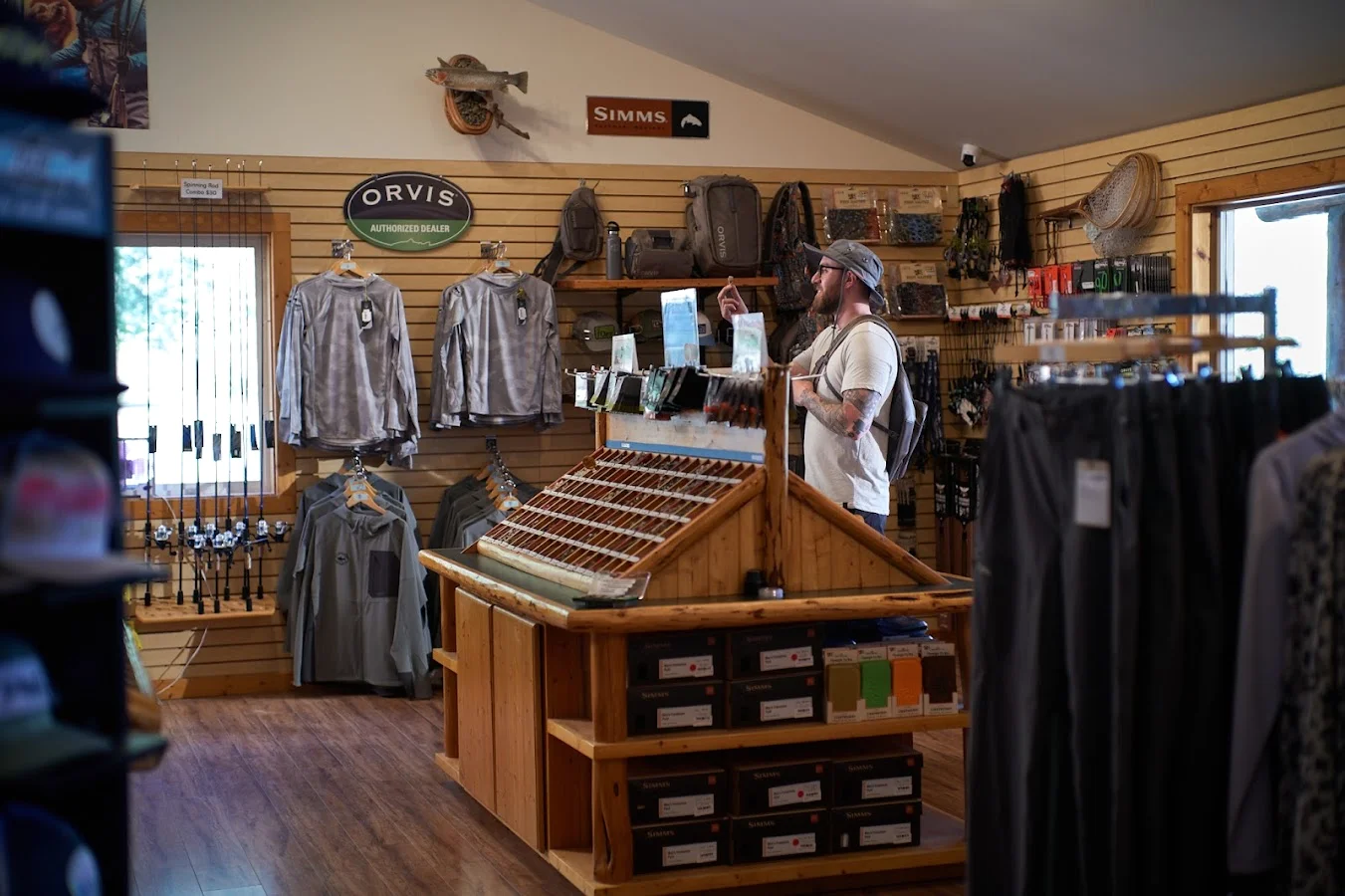
Specialized fly fishing guide service operating in and around Glacier National Park. Offers guided half and full-day float trips on the Flathead River system and wading trips to prime lake and stream locations. Ideal for fly anglers targeting westslope cutthroat and bull trout in their native habitat.
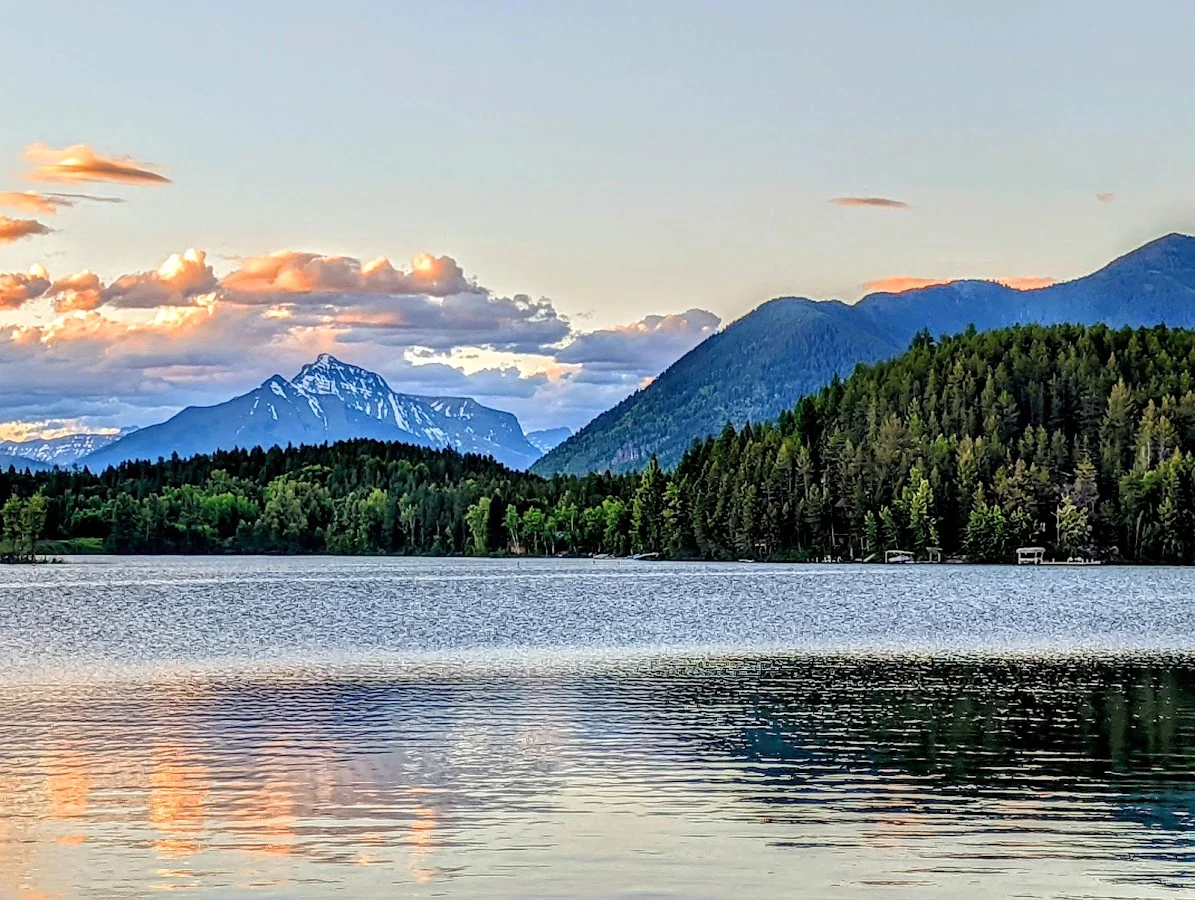
A Montana Fish, Wildlife & Parks public fishing access site on the North Fork Flathead River, just south of the park boundary. One of the best public access points for wade fishing and bank fishing the Flathead — free to access, good parking and a well-maintained boat launch.
Montana FWP SiteConservation & Leave No Trace
Lake McDonald's fishery is exceptional in large part because it has been protected from stocking and habitat degradation. Westslope cutthroat and bull trout coexist here in a relationship that took millennia to develop. When you fish this water, you're fishing a living ecosystem, not a managed stocking pond.
Use barbless hooks where possible — they make catch-and-release easier on the fish. Keep fish in the water when releasing. Pack out all monofilament line (it kills wildlife when left behind). And know the regulations for the specific water body you're fishing — they exist for good reasons.