
Most travelers picture Glacier National Park as a summer destination — and in doing so, they miss one of the most breathtaking winters in all of North America. Lake McDonald in December or January is a different world entirely: crystalline water reflecting snow-dusted peaks, beaches scattered with frozen colorful pebbles in hues of red, purple, and green, and a silence so absolute you can hear individual snowflakes landing on the ice. Add a world-class ski resort just 45 minutes down the road, and you have one of the most compelling Glacier National Park winter itineraries in the American West.
The Magic of Lake McDonald in Winter: Is It Worth Visiting?
Quick Answer
Yes! While Glacier National Park slows down in winter, the West Entrance and Lake McDonald remain open, offering a serene winter wonderland combined with world-class skiing just 45 minutes away at Whitefish Mountain Resort.
The idea that Glacier National Park shuts down entirely in winter is a persistent myth — and it keeps the crowds away, which is precisely the point. While most interior roads are closed to vehicles and the famous Going-to-the-Sun Road is buried under many feet of snow, the West Entrance remains open year-round. That means the lake itself, the Apgar Village area, and the first 12 miles of the Sun Road are fully accessible.
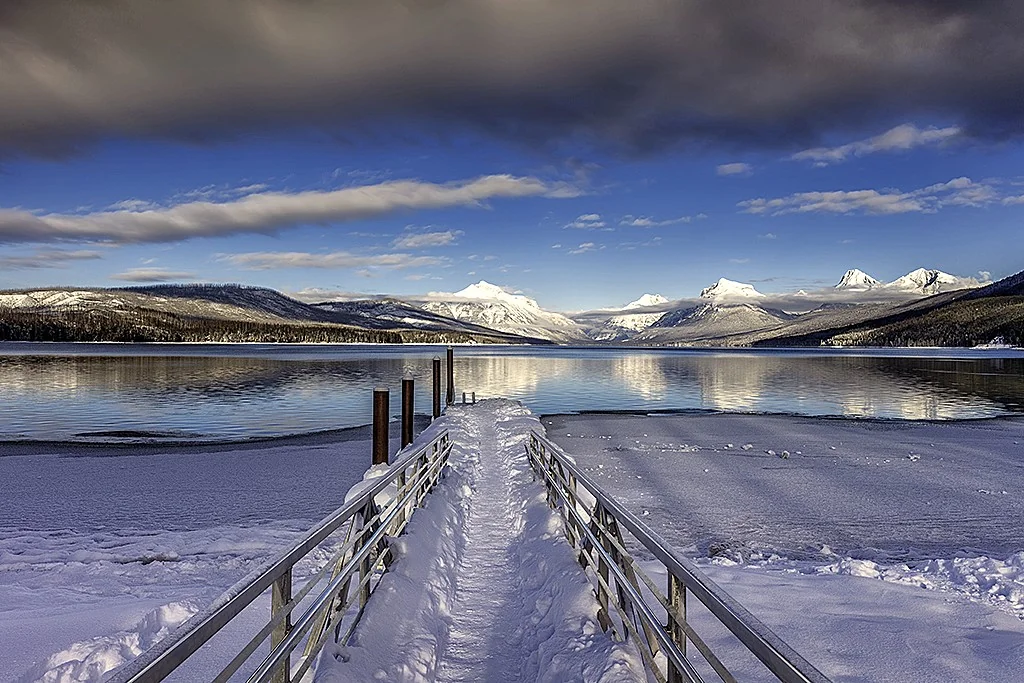
What you get in exchange for the closed facilities is something money genuinely cannot buy in summer: the lake entirely to yourself. The famous rainbow-colored pebbles on the lake bed glow through a thin lens of shore ice. The towering peaks above are draped in snow, doubling their visual drama. White-tailed deer wander the lakeshore road unbothered by traffic. On calm mornings, the unfrozen center of the lake offers mirror reflections of the mountains that rival anything seen in summer. For lovers of nature and anyone craving genuine solitude, a Lake McDonald winter visit is not a compromise — it is a rare privilege.
Accessibility & Winter Driving: How to Get to Lake McDonald
The logistics of a winter visit to Lake McDonald are straightforward once you understand two things: which roads are open and what vehicle you need. For a complete overview of how to reach the area from the airport and major cities, see our detailed getting-here guide.
Road Conditions and Cleared Routes
The primary route for a winter visit is U.S. Highway 2, which remains open year-round and runs directly from Glacier Park International Airport (FCA) and the town of Whitefish to the West Glacier entrance of the park. This is a well-maintained highway and your main artery for the entire trip.
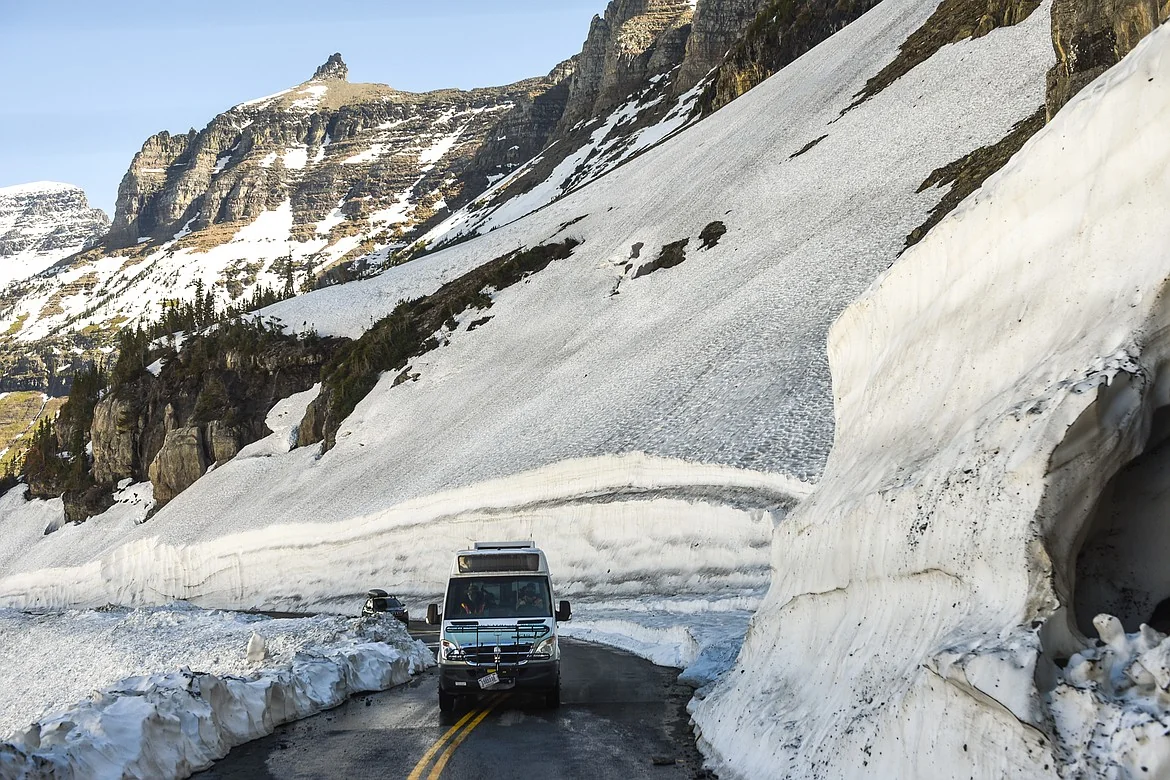
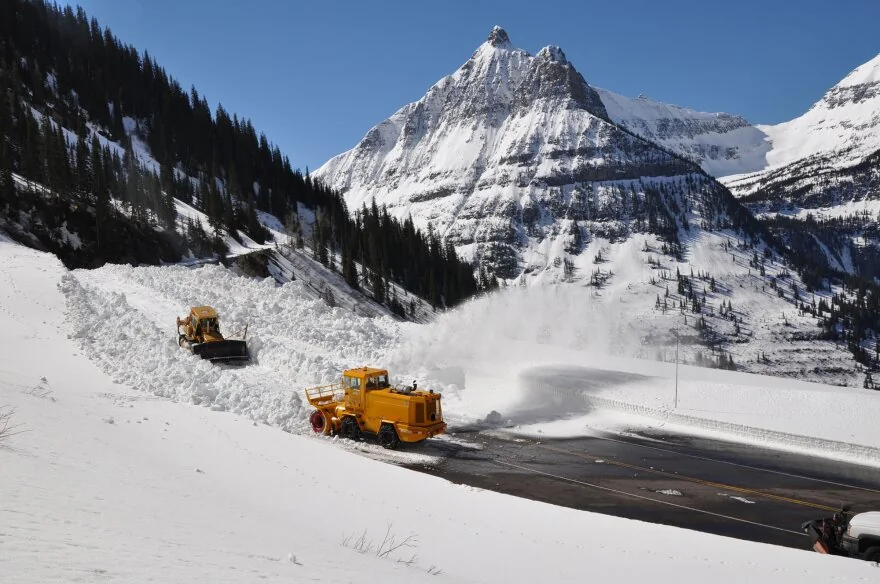
Once inside the West Entrance, Going-to-the-Sun Road is plowed and kept clear for approximately 12 miles (19 km) — the stretch from the entrance gate to the Lake McDonald Lodge. This gives you full access to the lake's western shoreline, the Apgar Village area, and the lodge's exterior. Beyond the lodge, the road is no longer plowed and vehicle access ends. The full Going-to-the-Sun Road — all 50 miles of it — remains buried until late spring snowplowing operations begin.
Crucial Winter Driving Tips
- AWD or 4WD is non-negotiable. Roads near and inside the park can become icy and snowpacked overnight, especially in January and February. If renting a vehicle at Glacier Park International Airport, specify a 4WD or AWD SUV when booking. Do not accept a standard sedan or 2WD vehicle for this trip.
- Plan around the daylight window. Montana winters are short on daylight. In December and January, sunset arrives as early as 4:30–5:00 PM. Structure your day to reach the lake by mid-morning and plan to be back on U.S. Highway 2 by 3:30 PM at the latest.
- Check road conditions before you go. The Montana Department of Transportation's 511 service and the National Park Service's Glacier conditions page both post real-time road updates. Check both the evening before and the morning of your drive.
- Fuel up outside the park. Gas stations and stores inside Glacier National Park are closed in winter. Fill your tank in West Glacier or Columbia Falls before entering. Do not rely on finding fuel past the entrance gate.
What's Open? Winter Services and Facilities Around the Lake
Managing expectations is the first step to a great Glacier winter visit. The interior of the park operates as a semi-wilderness zone in the off-season. Most facilities are shuttered, but the essentials — restrooms, park ranger access, and open terrain — are in place. Pack a self-sufficient day bag: lunch, hot drinks in a thermos, printed paper map (cell service disappears inside the park), and an emergency layer.
| Facility / Service | Winter Status | Notes & Location |
|---|---|---|
| Apgar Visitor Center | Open (Weekends) | Restrooms open 24/7. Park rangers available for maps and current trail conditions. |
| Lake McDonald Lodge | Closed | Road is plowed to this point, but all lodging and dining facilities are shut for the season. |
| Apgar Picnic Area | Open | Available for day use and free winter primitive camping. No running water in winter. |
| Gas Stations & Stores | Closed Inside Park | Fill up and stock provisions in West Glacier or Columbia Falls before entering. |
Top Winter Activities at Lake McDonald (Non-Motorized Snow Sports)
Here is the detail that transforms a winter visit from a drive-by into a full adventure: when vehicles stop, the road keeps going — and the terrain beyond the lodge is yours to explore on foot, on snowshoes, or on Nordic skis. No permits, no reservations, no crowds.
Snowshoeing and Cross-Country Skiing on Going-to-the-Sun Road
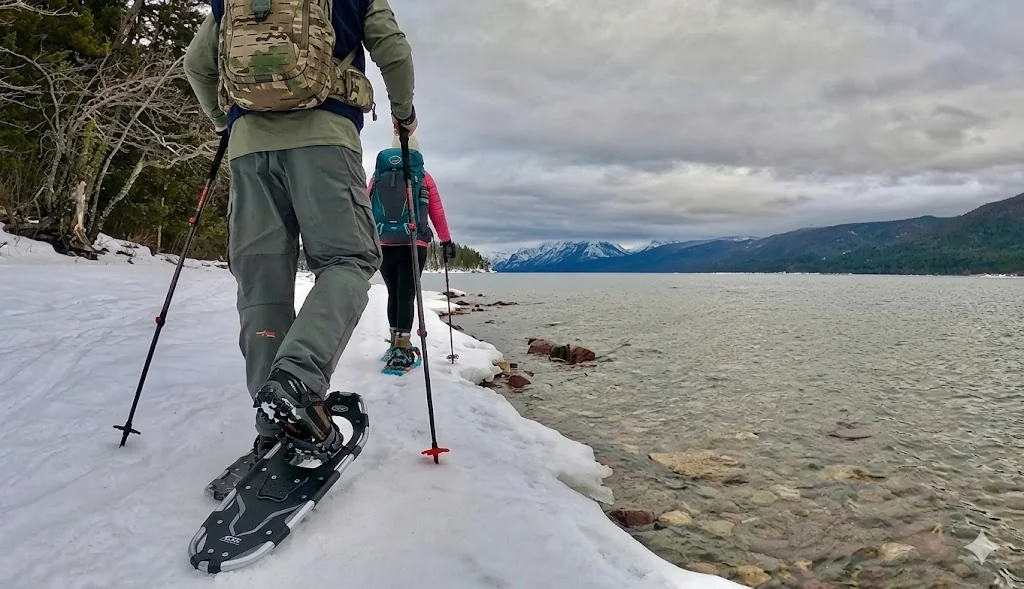
Beyond the Lake McDonald Lodge, Going-to-the-Sun Road closes to all vehicles from November through late spring. What remains is a wide, snow-packed corridor cutting deep into the wilderness — one of the most accessible and rewarding winter snowshoeing routes in all of Glacier National Park.
Snowshoe rentals are available in Whitefish (see the home base section below), so you don't need to bring your own gear. The road follows the lakeshore gently, with consistent grade and no technical terrain — making the first 2 to 3 miles suitable for almost any fitness level. The reward is immense: open views across the partially frozen lake to the jagged, snow-draped peaks of the Lewis Range, with absolute silence except for the occasional raven.
Experienced Nordic skiers can push further on clear days. Standard Glacier National Park entry fees apply; no additional winter recreation pass is required.
Winter Photography and Wildlife Spotting
Lake McDonald in winter is a photographer's dream. The lake partially freezes along its bays and shallow southern shoreline — the colorful argillite pebbles are often visible through a thin lens of shore ice, creating a layered, almost supernatural visual effect. The blue hour before sunrise is exceptional: cold, still air, open water in the unfrozen center of the lake, and mountains reflected with mirror clarity.
Wildlife sightings are dramatically more frequent in winter precisely because the park's summer crowds are absent. White-tailed deer and mule deer are commonly seen along the lakeshore road. Bull elk occasionally appear in the meadows near Apgar Village. In deep winter, gray wolves and mountain lions move through the area — rarely seen but tracks are sometimes visible in fresh snow along the road corridor. Keep your camera ready and your footsteps quiet.
Alpine Skiing & Snowboarding Near Lake McDonald
Lake McDonald offers serenity. The winter silence of Glacier feeds the soul in a way few places can. But if you need an adrenaline outlet to balance the calm, you're in exceptional luck: one of the most underrated ski resorts in the American West sits just 45 minutes from the West Entrance to Glacier National Park.
Whitefish Mountain Resort: Your 45-Minute Winter Escape
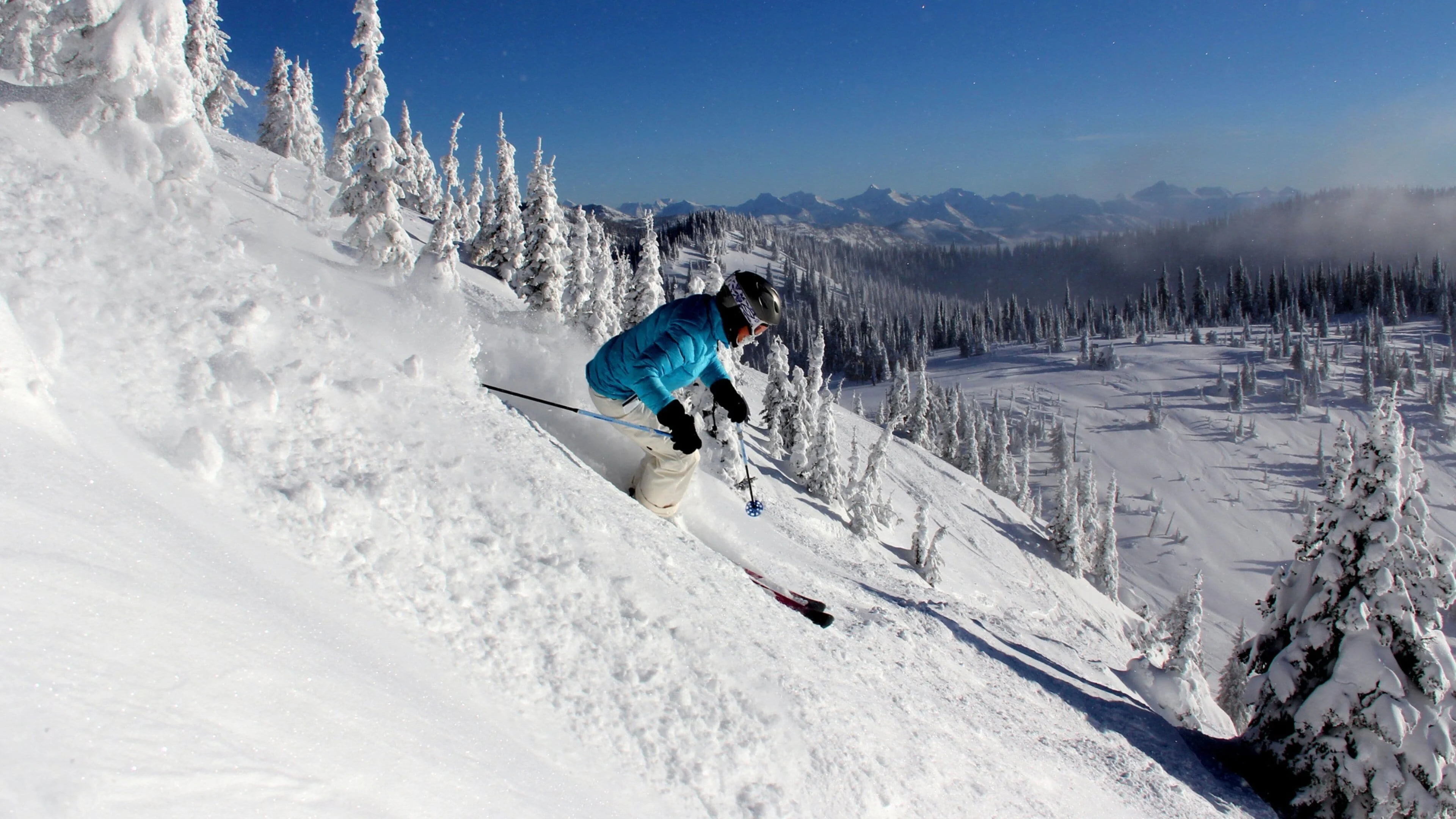
Whitefish Mountain Resort — known by locals as Big Mountain — stands apart from the major corporate ski destinations in a way that's hard to articulate until you've skied it. There's no Vail-group marketing here, no manicured resort village with $25 hot chocolates. What you get instead is authentic Montana mountain culture, over 3,000 acres of skiable terrain, and a snow pattern that regularly delivers some of the driest powder east of the Cascades — an average of 300 inches per season.
The resort summit sits at 6,817 feet, and on clear days you can see the peaks of Glacier National Park stretching to the south from the top of the lifts. It is a view that puts the entire trip in perspective: you're not just at a ski resort. You are at the edge of one of the last great wild places in North America.
The signature experience at Whitefish Mountain is the Snow Ghosts. These eerie, magnificent formations — trees completely encased in rime ice and snow, their limbs frozen in contorted shapes by brutal summit winds — line the upper runs like a ghostly forest army. Skiers and snowboarders weave between them in near-zero visibility on foggy days, emerging into open blue-sky terrain below. The effect is like skiing through a fairy tale written in ice.
Terrain at a glance:
- Beginner (13%): Wide, gentle runs served by dedicated lifts well away from faster traffic — ideal for first-timers or those building confidence.
- Intermediate (40%): The heart of the mountain. Consistent pitch, varied fall lines, and the best views of the Glacier peaks.
- Advanced & Expert (47%): Tree runs, chutes, the famous North Bowl on powder days, and some of the most sustained steep skiing in Montana.
The season typically runs late November through early April, with peak conditions in January and February. Lift tickets, ski rentals, and lessons are available on-site and through Whitefish's downtown gear shops.
Local tip: Book lift tickets online in advance — walk-up window prices are significantly higher. Check the Whitefish Mountain Resort website directly for current rates and multi-day packages.

Official Whitefish Mountain Resort Trail Map
Plan your lines before you arrive. Full piste map with all lifts, runs, and difficulty ratings for Big Mountain.
View Full Trail MapWhitefish, Montana: The Perfect Winter Home Base
Whitefish solves the biggest logistical challenge of a winter Glacier trip: where to stay when the park itself has almost no open lodging. This mountain town of roughly 8,000 residents punches well above its weight class in hospitality, infrastructure, and après-ski culture — and it sits perfectly positioned between Glacier's West Entrance and the Big Mountain base.
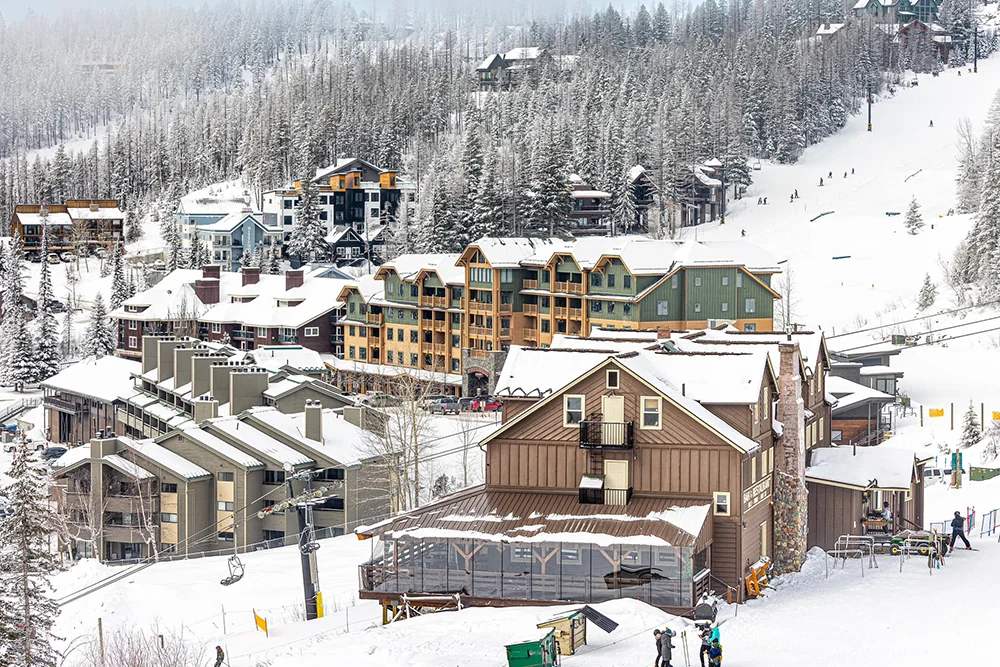
Within a few blocks of the Whitefish town center you will find boutique hotels and mountain lodges with fireplaces and hot tubs, cabin rentals for groups wanting a cozy-in-the-woods experience, local craft breweries for warming up after a day on the mountain (Bonsai Brewing Project and Great Northern Brewing Company are perennial favorites), and restaurants ranging from fresh sushi to Montana bison steaks.
Crucially for this Glacier National Park winter itinerary, Whitefish is home to several well-equipped outdoor gear rental shops offering both alpine ski packages (boots, skis, poles, helmets) and snowshoe kits for the Lake McDonald day. Renting gear in town — rather than at the resort base — is often cheaper and gives you the flexibility to split equipment between ski days and lake days without double renting. Ask your hotel's front desk for their current local rental shop recommendation.
The Ultimate 3-Day Glacier National Park Winter Itinerary
Arrive at Glacier Park International Airport (FCA), pick up your AWD rental, check in to Whitefish. Rent all winter gear at a downtown shop. Explore the cozy main street, have dinner, and get a full night's rest before the big days ahead.
Hit the slopes at Whitefish Mountain Resort for a full day of alpine skiing or snowboarding. Ride to the summit for views of Glacier's peaks. Ski the Snow Ghost terrain in the afternoon. Wind down with craft beer and dinner in Whitefish.
Drive 45 minutes to the West Entrance of Glacier National Park. Snowshoe the car-free Going-to-the-Sun Road beyond Lake McDonald Lodge. Photograph the frozen shoreline and the rainbow-colored pebbles under the ice. Return to Whitefish before dark.
The 45-minute drive between Whitefish and the West Entrance to Glacier is itself one of the most beautiful winter drives in Montana — U.S. Highway 2 follows the Flathead River through snow-dusted forest, crossing into West Glacier with the mountains rising suddenly and dramatically ahead of you. For general planning tips including the best time of year to visit Lake McDonald and what each season looks like, our seasonal guide has the complete breakdown.
Frequently Asked Questions About Visiting Lake McDonald in Winter
Is Lake McDonald worth visiting in winter?
Yes — winter transforms Lake McDonald into one of the quietest and most scenic areas in Glacier National Park. Snow-covered mountains, frozen shoreline sections, and almost no crowds create a completely different experience compared to summer. The absence of the peak-season traffic means wildlife, solitude, and dramatic winter light are all yours to enjoy at a pace that summer visitors never get to experience.
Can you go snowshoeing near Lake McDonald?
Yes, snowshoeing is one of the most popular winter activities around Lake McDonald. Beyond the Lake McDonald Lodge, Going-to-the-Sun Road closes to all vehicles from November onward and becomes an excellent snowshoeing corridor. The first 2–3 miles are accessible for most fitness levels and reward visitors with open lake views and old-growth forest. Snowshoe rentals are available in Whitefish, so you don't need to bring your own equipment.
Is there skiing in Glacier National Park?
Glacier National Park offers cross-country skiing and backcountry skiing opportunities during winter — particularly on the car-free section of Going-to-the-Sun Road beyond Lake McDonald Lodge. While there are no major alpine ski resorts inside the park itself, nearby Whitefish Mountain Resort (Big Mountain) provides world-class downhill skiing with over 3,000 acres of terrain just 45 minutes from the West Entrance.
What is the best time to visit Glacier National Park in winter?
The best winter conditions are usually between December and February, when snowfall is more consistent and activities like snowshoeing, winter hiking, and cross-country skiing are at their peak. January typically offers the deepest snow and the best powder conditions at Whitefish Mountain Resort. For a slightly milder visit with still-good snow coverage, late February and early March are also excellent. For a complete month-by-month breakdown, see our seasonal guide.
Is Glacier National Park safe to visit in winter?
Yes, but winter conditions can change quickly. Visitors should prepare for snow, icy roads, limited services, and temperatures that can drop well below freezing overnight. Renting an AWD or 4WD vehicle is essential. Always carry proper winter layers, pack food and water for the day (services inside the park are closed), and check road conditions via the Montana DOT 511 service before setting out. Tell someone your itinerary if you plan to go beyond the lodge on snowshoes.